
A nurse is reinforcing teaching with a client who has an open leg wound and is experiencing difficulty healing. The nurse should encourage the client to increase which of the following nutrients in his diet?
Calcium
Protein
Vitamin D
Fats
The Correct Answer is B
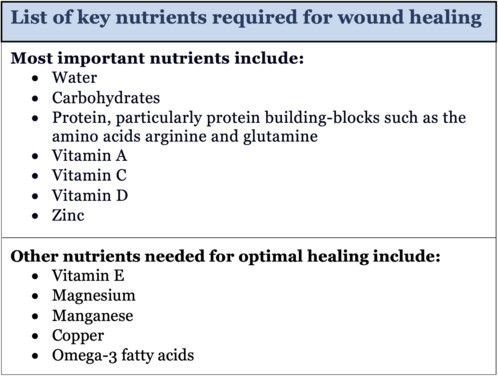
Protein is essential for wound healing as it plays a crucial role in tissue repair and regeneration. It provides the building blocks for new tissue formation and helps in the synthesis of collagen, which is necessary for wound healing. Adequate protein intake promotes wound healing by supporting the growth of new cells, enhancing immune function, and aiding in the formation of new blood vessels.
Calcium is important for bone health but does not directly impact wound healing. However, a balanced diet that includes sources of calcium is generally recommended for overall health. Vitamin D plays a role in bone health and has some influence on immune function and wound healing. However, the primary focus in this scenario should be on protein intake.
Fats, specifically essential fatty acids, are necessary for overall health and immune function. However, increasing fats in the diet may not directly impact wound healing. It is important to consume a balanced diet that includes healthy fats, but the emphasis for wound healing is on protein intake.
Nursing Test Bank
Naxlex Comprehensive Predictor Exams
Related Questions
Correct Answer is D
Explanation
A. Understands that everyone dies eventually: Preschoolers typically do not have a concrete understanding of the concept of death or the inevitability of death for everyone. Their understanding is usually very limited and concrete, so this would not be consistent with their developmental stage.
B. Recognizes the parent will never wake up: Preschoolers may have difficulty understanding the permanence of death. They might think that the deceased parent will wake up eventually or return, as their grasp on the concept of permanence is not fully developed.
C. Expresses curiosity about the funeral service: While preschoolers may be curious about many things, including new experiences, their understanding of a funeral and its significance may be limited. They might not fully grasp the meaning behind the service but may ask questions out of curiosity.
D. Believes death is punishment for bad behavior: Preschoolers often think in magical or egocentric ways and may believe that death is a punishment for something they or others did wrong. This belief reflects their developmental stage, where they may not understand the abstract concept of death and may interpret it in relation to their own actions or behaviors.
Correct Answer is C
Explanation
Ciprofloxacin is a fluoroquinolone antibiotic that can make the skin more sensitive to sunlight, leading to an increased risk of sunburn. It is important for the client to be aware of this potential side effect and take appropriate precautions, such as using sunscreen, wearing protective clothing, and avoiding prolonged sun exposure while taking the medication.
"Take an antacid if the medication causes gastrointestinal upset." Ciprofloxacin should not be taken with antacids or mineral supplements containing calcium, magnesium, aluminum, or iron, as they can interfere with the absorption of the medication. If the client experiences gastrointestinal upset, they should consult their healthcare provider for appropriate management.
"Restrict your daily fluid intake while taking this medication." It is important for the client to maintain adequate hydration while taking ciprofloxacin, as it is important for the elimination of the medication from the body. Restricting fluid intake can lead to dehydration and may affect the effectiveness of the medication. The client should be encouraged to drink plenty of fluids unless otherwise instructed by their healthcare provider.
"Expect to experience diarrhea while taking this medication." While gastrointestinal side effects such as diarrhea can occur with ciprofloxacin, it is not appropriate to state that the client should expect to experience it. Diarrhea can be a sign of a serious adverse reaction, such as Clostridium difficile infection, and should be reported to the healthcare provider for further evaluation and management.
Whether you are a student looking to ace your exams or a practicing nurse seeking to enhance your expertise , our nursing education contents will empower you with the confidence and competence to make a difference in the lives of patients and become a respected leader in the healthcare field.
Visit Naxlex, invest in your future and unlock endless possibilities with our unparalleled nursing education contents today