
A nurse is reviewing a client's medical record before administering acetaminophen 650 mg PO every 6 hr.
Which of the following findings indicates a need for the nurse to notify the provider?
Hypothyroidism.
History of alcohol use disorder.
Recurrent headaches.
BP 92/60 mm Hg.
The Correct Answer is B
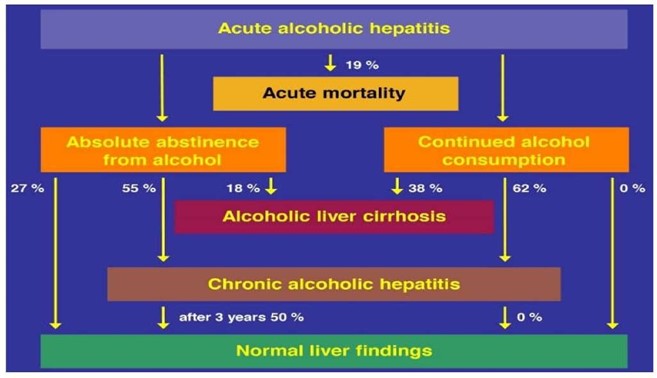 Acetaminophen is metabolized by the liver and can cause liver damage when taken in large doses or for a prolonged period of time.
Someone with an alcohol use disorder may already have a compromised liver, and combining acetaminophen with more alcohol can worsen the risk of irreparable damage.
Choice A is wrong because Hypothyroidism, is not a contraindication for acetaminophen use.
Choice C is wrong because Recurrent headaches, is not a contraindication for acetaminophen use.
Choice D is wrong because BP 92/60 mm Hg, is not a contraindication for acetaminophen use.
Nursing Test Bank
Naxlex Comprehensive Predictor Exams
Related Questions
Correct Answer is B
Explanation
Osmotic laxatives work by drawing water into the intestines, which can lead to fluid loss and dehydration if not enough fluids are consumed.
Oliguria, or decreased urine output, can be a sign of fluid volume deficit and dehydration.
Choice A is wrong because Weight gain, is not an indication of fluid volume deficit as weight loss is more commonly associated with dehydration.
Choice C is wrong because Headaches, can be a symptom of dehydration but is not specific to fluid volume deficit.
Choice D is wrong because Nausea, can also be a symptom of dehydration but is not specific to fluid volume deficit.
Correct Answer is D
Explanation
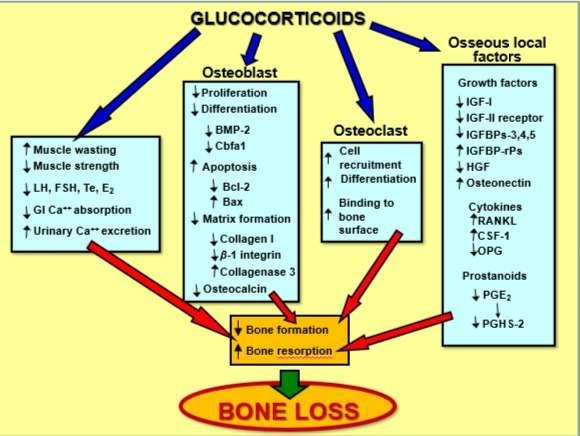
Prednisone is a corticosteroid that can be used to treat rheumatoid arthritis and other conditions by reducing inflammation and suppressing the immune system.
However, long-term use of prednisone can cause side effects, including bone loss.
Choice A is wrong because liver toxicity is not a common side effect of prednisone.
Choice B is wrong because hypoglycemia is not a common side effect of prednisone; instead, elevated blood sugar is a possible side effect.
Choice C is wrong because hemolytic anemia is not a common side effect of prednisone.
Whether you are a student looking to ace your exams or a practicing nurse seeking to enhance your expertise , our nursing education contents will empower you with the confidence and competence to make a difference in the lives of patients and become a respected leader in the healthcare field.
Visit Naxlex, invest in your future and unlock endless possibilities with our unparalleled nursing education contents today