
A nurse is reviewing the laboratory values of a client who is taking atorvastatin. Which of the following laboratory values indicates the treatment has been effective?
BUN 15 mg/dl.
LDL 120 mg/dL
Urine specific gravity 1.020
Blood glucose 90 mg/dl
The Correct Answer is B
A. BUN 15 mg/dL:
Incorrect Explanation: Blood urea nitrogen (BUN) is not a specific marker for assessing the effectiveness of atorvastatin treatment.
Explanation: BUN is a measure of kidney function and the breakdown of protein in the body. It is not directly related to the cholesterol-lowering effects of atorvastatin.
B. LDL 120 mg/dL.
Explanation:
Atorvastatin is a medication used to lower cholesterol levels, particularly low-density lipoprotein (LDL) cholesterol, which is often referred to as "bad" cholesterol. Elevated LDL cholesterol levels are a risk factor for cardiovascular disease. The goal of using medications like atorvastatin is to reduce LDL cholesterol levels to a target range, as recommended by healthcare guidelines.
A lower LDL cholesterol level indicates that the treatment with atorvastatin has been effective in achieving the desired therapeutic goal of lowering cholesterol levels and reducing the risk of cardiovascular events. Therefore, a decrease in LDL cholesterol is a positive outcome of atorvastatin therapy.
C. Urine specific gravity 1.020:
Incorrect Explanation: Urine-specific gravity is not a marker for assessing the effectiveness of atorvastatin.
Explanation: Urine-specific gravity measures the concentration of urine and is related to hydration status and kidney function. It is not used to evaluate the effectiveness of cholesterol-lowering medications like atorvastatin.
D. Blood glucose 90 mg/dL:
Incorrect Explanation: A blood glucose level of 90 mg/dL is not indicative of the effectiveness of atorvastatin treatment.
Explanation: Blood glucose level measures the amount of sugar in the bloodstream and is unrelated to the cholesterol-lowering effects of atorvastatin.
Nursing Test Bank
Naxlex Comprehensive Predictor Exams
Related Questions
Correct Answer is A
Explanation
A. The client has a history of a severe penicillin allergy:
Correct Answer: This is the priority information for the nurse to report to the provider.
Explanation: Cefuroxime is a cephalosporin antibiotic. Individuals with a history of severe penicillin allergy may also have an increased risk of cross-reactivity with cephalosporin antibiotics. This potential cross-reactivity needs to be evaluated by the provider to determine the safety of prescribing cefuroxime for the client.
B. The client takes an aspirin daily:
Incorrect Explanation: While the daily use of aspirin should be considered when prescribing medications, it is not the priority in this scenario.
Explanation: Aspirin use might affect bleeding risk, but it is not directly related to the potential interaction with cefuroxime. The client's severe penicillin allergy takes precedence in terms of immediate concern.
C. The client reports a history of nausea with cefuroxime:
Incorrect Explanation: A history of nausea with cefuroxime is relevant but is not as critical as the severe penicillin allergy.
Explanation: While the nurse should consider the client's history of nausea with cefuroxime, it is not as urgent as addressing the potential cross-reactivity with penicillin.
D. The client has a BUN level of 18 mg/dL:
Incorrect Explanation: The BUN level is not the priority in this context.
Explanation: A BUN level of 18 mg/dL is within the normal range and is not immediately relevant to the decision about prescribing cefuroxime.
Correct Answer is D
Explanation
A. "Decrease your daily sodium intake."
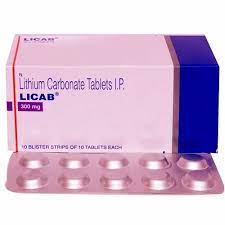
Incorrect Explanation: This instruction is appropriate for a client taking lithium carbonate.
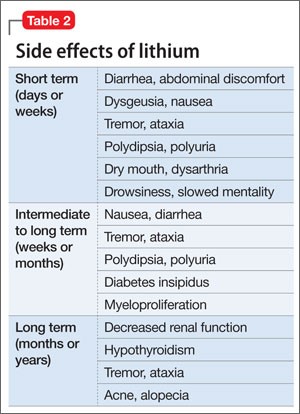
Explanation: Lithium is a mood-stabilizing medication commonly prescribed for conditions like bipolar disorder. High levels of sodium can lead to increased lithium retention in the body, potentially raising the risk of toxicity. Advising the client to decrease their daily sodium intake helps prevent this.
B. "Take this medication 2 hours before a meal."
Incorrect Explanation: This instruction is not accurate for lithium carbonate.
Explanation: Lithium carbonate is typically taken with food or milk to help minimize stomach upset. Taking it on an empty stomach might increase the risk of gastrointestinal side effects.
C. "Limit foods containing tyramine."
Incorrect Explanation: This instruction is not directly relevant to lithium carbonate.
Explanation: Tyramine is a compound found in some foods and can interact with certain medications like monoamine oxidase inhibitors (MAOIs), but it is not a primary concern with lithium carbonate.
D. "Report swelling of the feet to your provider."
Correct Explanation: This instruction is appropriate for a client taking lithium carbonate.
Explanation: Lithium can lead to water retention, which might result in swelling, particularly in the feet and ankles. Reporting swelling is important as it can be an early sign of potential side effects or changes in kidney function.
Whether you are a student looking to ace your exams or a practicing nurse seeking to enhance your expertise , our nursing education contents will empower you with the confidence and competence to make a difference in the lives of patients and become a respected leader in the healthcare field.
Visit Naxlex, invest in your future and unlock endless possibilities with our unparalleled nursing education contents today