
A nurse is caring for a 4-year-old child following an orthopedic procedure. When assessing the child for pain, which of the following pain scales should the nurse use?
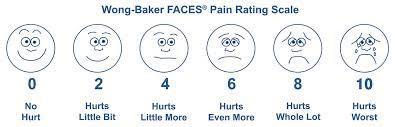
FACES
Word-graphic
Numeric
CRIES
The Correct Answer is A
A. For assessing pain in a 4-year-old child following an orthopedic procedure, the nurse should use the FACES pain scale.
The FACES pain scale uses a series of faces with varying expressions, from smiling to crying, to help children express their level of pain. Children are asked to point to the face that best matches how they feel. This scale is particularly useful for young children who may not have the verbal skills to describe their pain accurately using words or numbers.
B. Word-graphic
Explanation: The word-graphic pain scale typically uses a combination of words and drawings to assess pain, making it more suitable for children who are slightly older and can understand simple words and concepts.
C. Numeric
Explanation: The numeric pain scale involves asking the child to rate their pain on a scale from 0 to 10. This scale is more appropriate for older children who can understand and assign numerical values to their pain intensity.
D. CRIES
Explanation: The CRIES pain scale is often used for assessing pain in newborns and infants up to 6 months old. It focuses on crying, oxygen saturation, vital signs, and facial expressions.
Nursing Test Bank
Naxlex Comprehensive Predictor Exams
Related Questions
Correct Answer is B
Explanation
A. Hypomagnesemia:
Correct Answer: This electrolyte imbalance is the one the nurse should assess the client for.
Explanation: Lithium is primarily excreted by the kidneys, and its excretion can be influenced by factors that affect renal function, including electrolyte imbalances. Hypomagnesemia (low magnesium levels) can potentially reduce the excretion of lithium, leading to increased lithium levels in the blood. This can increase the risk of lithium toxicity, which can be dangerous. Therefore, monitoring magnesium levels is important in clients taking lithium.
B. Hyponatremia:
Incorrect Explanation: While hyponatremia (low sodium levels) is a potential concern, it is not as directly linked to lithium interaction as hypomagnesemia.
Explanation: Lithium can cause diabetes insipidus, which leads to excessive urination and subsequent loss of water and electrolytes, including sodium. However, hyponatremia is not the immediate electrolyte imbalance that arises due to the interaction with lithium.
C. Hypocalcemia:
Incorrect Explanation: Hypocalcemia (low calcium levels) is not a primary concern in the context of lithium use.
Explanation: Lithium does not have a direct interaction with calcium levels. Hypocalcemia is typically not a result of lithium use or its interaction with other factors.
D. Hypokalemia:
Incorrect Explanation: While electrolyte imbalances like hypokalemia (low potassium levels) can have health implications, it is not the primary electrolyte imbalance to be concerned about with lithium use.
Explanation: Hypokalemia is not a direct consequence of lithium interaction. Monitoring potassium levels is important for overall health, but it's not the primary electrolyte imbalance associated with lithium use and its potential interactions.
Correct Answer is A
Explanation
A. Increased respiratory rate.
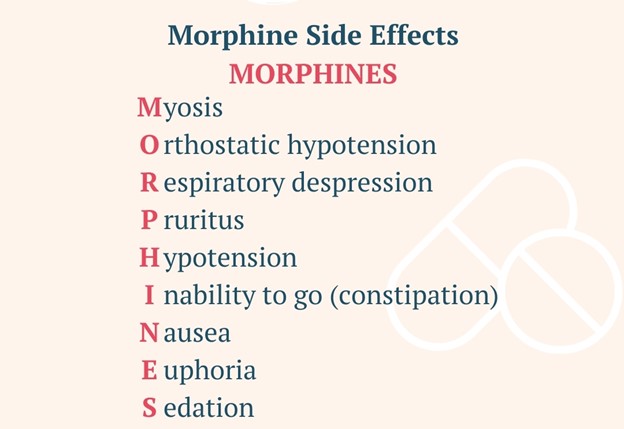
Naloxone is an opioid receptor antagonist used to reverse the effects of opioids like morphine. When administered to a client who has developed an adverse reaction to morphine, naloxone can rapidly reverse the effects of opioid overdose, including respiratory depression. Therefore, an increased respiratory rate is a therapeutic effect of naloxone, as it helps restore normal breathing patterns in clients who are experiencing respiratory depression due to opioid overdose.
B. Decreased blood pressure: Naloxone is not primarily used to affect blood pressure. Its primary goal is to reverse opioid overdose effects, particularly respiratory depression.
C. Increased pain relief: Naloxone does not directly increase pain relief. Its primary action is to reverse the effects of opioids at the receptor sites, which can also lead to the reduction of pain relief provided by opioids. However, its main role is the reversal of opioid overdose effects, not enhancing pain relief.
D. Decreased nausea: Nausea is a common side effect of opioid use. While naloxone can help reverse opioid overdose effects, it does not necessarily directly address nausea. Its main purpose is to restore normal respiratory function in cases of opioid overdose.
Whether you are a student looking to ace your exams or a practicing nurse seeking to enhance your expertise , our nursing education contents will empower you with the confidence and competence to make a difference in the lives of patients and become a respected leader in the healthcare field.
Visit Naxlex, invest in your future and unlock endless possibilities with our unparalleled nursing education contents today