
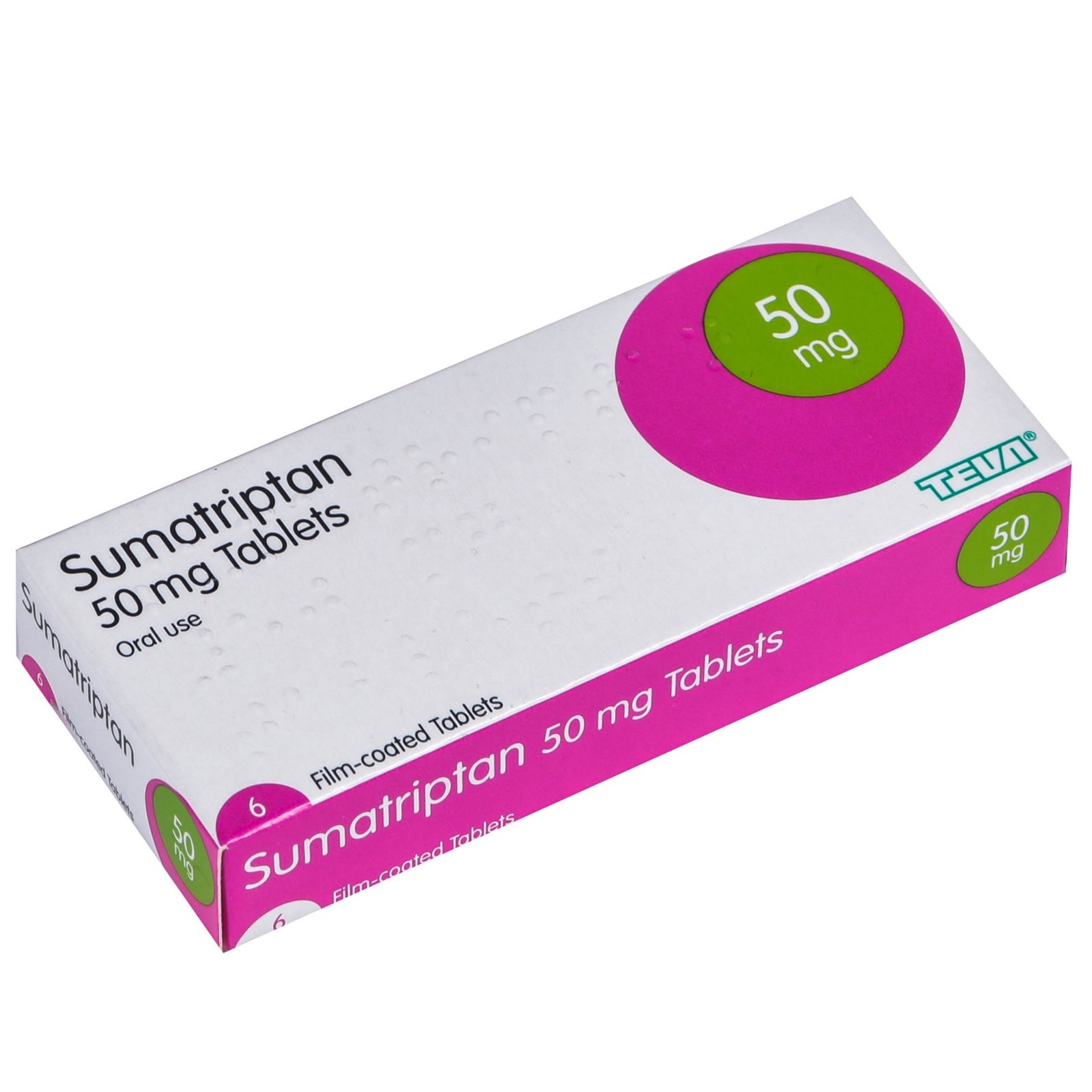
A nurse is teaching a client who has a new prescription for sumatriptan (Imitrex) tablets to treat migraine headaches. Which of the following instructions should the nurse include?
Repeat dose in 1 hour for unrelieved headache.
Chew the tablet well before swallowing.
If you experience chest pain, call your physician immediately.
Take daily to prevent headaches.
The Correct Answer is C
Choice A reason: Repeat dose in 1 hour for unrelieved headache. This instruction is incorrect because sumatriptan should not be taken more than twice in 24 hours. Taking too much sumatriptan can cause serious side effects, such as high blood pressure, stroke, or heart problems.
Choice B reason: Chew the tablet well before swallowing. This instruction is incorrect because sumatriptan tablets should be swallowed whole with water. Chewing the tablet may affect its absorption and effectiveness.
Choice C reason: If you experience chest pain, call your physician immediately. This instruction is correct because chest pain is a serious and potentially life-threatening side effect of sumatriptan. Chest pain may indicate a heart attack or coronary artery spasm, which require immediate medical attention.
Choice D reason: Take daily to prevent headaches. This instruction is incorrect because sumatriptan is not a preventive medication for migraines. It is only used to treat acute migraine attacks when they occur. Taking sumatriptan daily can cause rebound headaches, which are worse and more frequent than the original ones.
Nursing Test Bank
Naxlex Comprehensive Predictor Exams
Related Questions
Correct Answer is ["B","E"]
Explanation
Choice A reason: Continuing with the triage process is not an immediate intervention that needs to be taken by the triage nurse, as it may expose more people to the chemical hazard and worsen the situation. The triage nurse should stop the triage process and alert the emergency department staff and management about the potential contamination. The triage nurse should also follow the facility's emergency preparedness plan and protocols for dealing with chemical spills.
Choice B reason: Evacuating the emergency department is an immediate intervention that needs to be taken by the triage nurse, as it helps to protect the safety and health of the staff, clients, and visitors. The triage nurse should assist with evacuating everyone from the emergency department to a safe and designated area, away from the source of contamination. The triage nurse should also ensure that everyone is accounted for and that no one re-enters the emergency department until it is cleared by the authorities.
Choice C reason: Placing the client in a private room is not an immediate intervention that needs to be taken by the triage nurse, as it may not prevent the spread of contamination or provide adequate care to the client. The client who have been exposed to a chemical spill should not be moved to another area of the facility, as they may contaminate other people or surfaces along the way. The client should be kept in a separate and isolated area until they are decontaminated and assessed.
Choice D reason: Treating the client after contaminated items are removed is not an immediate intervention that needs to be taken by the triage nurse, as it may delay or compromise the care of the client. The client who has been exposed to a chemical spill should be treated as soon as possible, as some chemicals can cause serious or irreversible damage to the skin, eyes, lungs, or other organs. The triage nurse should provide basic life support measures, such as airway management, oxygen therapy, or bleeding control while wearing appropriate personal protective equipment (PPE). The triage nurse should also remove any contaminated clothing or jewelry from the client and place them in a sealed bag.
Choice E reason: Sending the client and EMS crew to decontamination is an immediate intervention that needs to be taken by the triage nurse, as it helps to remove or neutralize any harmful chemicals from their skin, hair, or clothing. The triage nurse should direct or escort the client and EMS crew to a designated decontamination area or unit, where they will undergo a thorough washing process with water and soap or other solutions. The triage nurse should also monitor their vital signs and symptoms during and after decontamination.
Correct Answer is D
Explanation
Choice A reason: A public health nurse is a nurse who works to improve the health and well-being of populations and communities, not specific workplaces. A public health nurse may focus on disease prevention, health promotion, environmental health, or emergency preparedness.
Choice B reason: A community nurse specialist is a nurse who has advanced education and training in a specific area of nursing practice, such as gerontology, oncology, or mental health. A community nurse specialist may work in various settings, such as hospitals, clinics, or schools, to provide specialized care and education to clients and families.
Choice C reason: A nurse clinician is a nurse who has expertise in clinical practice, research, and education. A nurse clinician may work in academic or clinical settings, such as universities, hospitals, or research centers, to develop and implement evidence-based practices and policies.
Choice D reason: An occupational health nurse is a nurse who works to protect and promote the health and safety of workers in various industries, such as manufacturing, mining, or construction. An occupational health nurse may provide services such as health assessment, injury prevention, emergency response, or wellness programs.
Whether you are a student looking to ace your exams or a practicing nurse seeking to enhance your expertise , our nursing education contents will empower you with the confidence and competence to make a difference in the lives of patients and become a respected leader in the healthcare field.
Visit Naxlex, invest in your future and unlock endless possibilities with our unparalleled nursing education contents today