
A nurse is teaching a pregnant client who is Rh-negative about Rh(D) immune globulin. Which of the following statements by the client indicates an understanding of the teaching?
"If my partner is Rh-negative, I will not receive the shot.”
"I will receive the shot after delivery if my baby is Rh-negative.”
"I should not receive any immunizations for 3 months after the shot.”
"This shot may be given after birth to protect future pregnancies.”
The Correct Answer is D
Choice A rationale:
This statement is incorrect. The client should receive Rh(D) immune globulin (RhoGAM) if they are Rh-negative and their partner's Rh status is unknown or Rh-positive. This prevents the development of Rh antibodies in the mother's blood, which could be harmful in future pregnancies if the baby is Rh-positive.
Choice B rationale:
This statement is incorrect. Rh(D) immune globulin is administered to an Rh-negative mother within 72 hours after delivery if the baby is Rh-positive. This is done to prevent the mother from developing Rh antibodies that could affect subsequent pregnancies.
Choice C rationale:
This statement is incorrect. There is no restriction on receiving other immunizations after receiving Rh(D) immune globulin. The shot only protects against Rh incompatibility and does not interfere with other immunizations.
Choice D rationale:
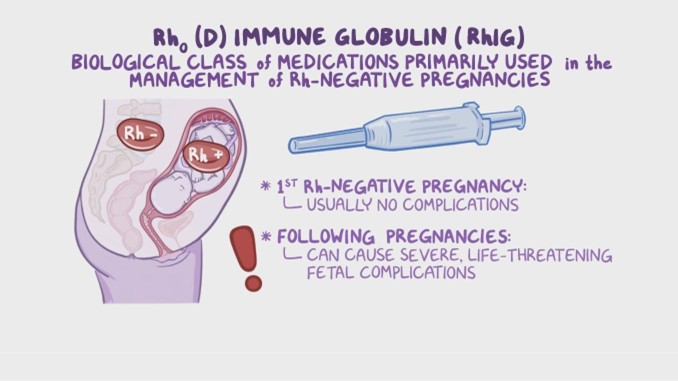
This statement is correct. Rh(D) immune globulin can be given after birth to an Rh-negative mother with an Rh-positive baby. This helps protect the mother's future pregnancies from the potential harmful effects of Rh incompatibility.
Nursing Test Bank
Naxlex Comprehensive Predictor Exams
Related Questions
Correct Answer is C
Explanation
Choice A rationale:
Gravida refers to the number of times a woman has been pregnant, and Para indicates the number of pregnancies that have reached viability (at least 20 weeks) Since the client has
been pregnant for the fourth time and delivered two full-term newborns (reached viability), she is gravida 4, and since she had one spontaneous abortion (miscarriage) at 10 weeks of gestation, she is para 2 (two pregnancies reached viability)
Choice B rationale:
This choice would be incorrect because it indicates that the client has had three pregnancies reaching viability, but she has only had two full-term newborns and one miscarriage.
Choice C rationale:
This is the correct choice, as explained above. Choice D rationale:
This choice would be incorrect because it indicates that the client has had four pregnancies reaching viability, but she has only had two full-term newborns and one miscarriage.
Correct Answer is A
Explanation
Choice A rationale:
Placing the newborn under a radiant heat warmer is used to prevent cold stress. Newborns are at risk of losing body heat rapidly, and cold stress can lead to various complications, including respiratory distress, hypoglycemia, and metabolic acidosis. The radiant heat warmer helps maintain the baby's body temperature within the normal range, promoting overall stability and reducing the risk of cold-related issues.
Choice B rationale:
The nurse should not choose choice B, "Respiratory depression,” as the action used to prevent. Placing the newborn under a radiant heat warmer does not specifically target respiratory depression. Respiratory depression in newborns may be related to various factors, such as anesthesia exposure during delivery or certain medications, and it requires appropriate monitoring and management rather than just heat regulation.
Choice C rationale:
The nurse should not choose choice C, "Thermogenesis,” as the action used to prevent. Thermogenesis refers to the generation of heat in the body, which is essential for maintaining body temperature. While the radiant heat warmer indirectly supports thermogenesis by preventing heat loss, the main purpose of using the warmer is to prevent cold stress, as stated in choice A.
Choice D rationale:
The nurse should not choose choice D, "Tachycardia,” as the action used to prevent. Tachycardia refers to an abnormally fast heart rate, and the use of a radiant heat warmer does not specifically target this condition. The purpose of the warmer, as explained earlier, is to maintain the baby's body temperature and prevent cold stress, not to address tachycardia.
Whether you are a student looking to ace your exams or a practicing nurse seeking to enhance your expertise , our nursing education contents will empower you with the confidence and competence to make a difference in the lives of patients and become a respected leader in the healthcare field.
Visit Naxlex, invest in your future and unlock endless possibilities with our unparalleled nursing education contents today