
A nurse is teaching a young adult female client who has sickle cell anemia and a new prescription for hydroxyurea. Which of the following information should the nurse include in the teaching?
"You will need to have your blood drawn every 2 weeks."
"You will self-administer one dose intramuscularly each day."
"This medication is safe to take if you become pregnant.
"You should limit your daily fluid intake to 1 and a half liters."
The Correct Answer is A
Nursing Test Bank
Naxlex Comprehensive Predictor Exams
Related Questions
Correct Answer is C
Explanation
Choice A rationale:
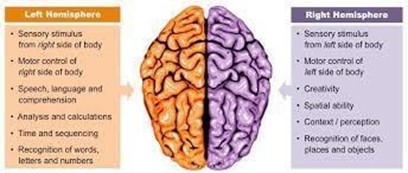
Aphasia, or difficulty with language, is more commonly associated with left hemispheric stroke.
Choice B rationale:
Depression can be a common psychological reaction following stroke, but it is not a specific finding associated with right hemispheric stroke.
Choice C rationale:
Right hemispheric stroke can lead to loss of depth perception and spatial awareness due to its impact on the visual-spatial processing areas of the brain.
Choice D rationale:
Slow, cautious behavior is a common finding after stroke regardless of the affected hemisphere.
Correct Answer is B
Explanation
Choice A rationale:
Understanding the relationship between food intake and the menstrual cycle is a relevant topic for individuals with anorexia nervosa.
Choice B rationale:
Rapid weight gain of 2 pounds per week can be concerning and may indicate an unhealthy pattern or behaviors related to the eating disorder.
Choice C rationale:
Recognizing that the body will never be perfect is a positive and realistic perspective that can contribute to a healthier mindset in individuals with anorexia nervosa.
Choice D rationale:
Taking a laxative for constipation is not uncommon among individuals with eating disorders, but the statement doesn't necessarily raise immediate concern compared to the rapid weight gain mentioned in choice B.
Whether you are a student looking to ace your exams or a practicing nurse seeking to enhance your expertise , our nursing education contents will empower you with the confidence and competence to make a difference in the lives of patients and become a respected leader in the healthcare field.
Visit Naxlex, invest in your future and unlock endless possibilities with our unparalleled nursing education contents today