
A nurse manager of a 12-bed medical unit finds that the majority of the patients are older adults. She is asked to assess and adapt the unit to better meet the unique needs of the older adult patient. Using complexity principles, what would be the best approach to take for implementation of this change?
Focus the assessment on the unit and ignore the needs of the hospital as a whole.
Hire an outside consultant to oversee and manage the project.
Engage involved staff at all levels in the decision-making process.
Seek a resolution from upper management.
The Correct Answer is C
Choice A Reason:
Focusing the assessment on the unit and ignoring the needs of the hospital as a whole is not a viable approach. While it is important to address the specific needs of the unit, it is equally crucial to consider the broader context of the hospital. Ignoring the hospital’s overall needs can lead to fragmented care and inefficiencies. A holistic approach ensures that changes in the unit align with the hospital’s goals and resources.
Choice B Reason:
Hiring an outside consultant to oversee and manage the project can provide specialized expertise and an external perspective. However, this approach may not fully leverage the insights and experiences of the staff who are directly involved in patient care. Consultants can be valuable, but their role should complement, not replace, the active involvement of the unit’s staff.
Choice C Reason:
Engaging involved staff at all levels in the decision-making process is the best approach. This strategy aligns with complexity principles, which emphasize the importance of collaboration, shared decision-making, and leveraging the collective expertise of the team. Involving staff fosters a sense of ownership and commitment to the changes, leading to more effective and sustainable implementation. It also ensures that the adaptations are practical and directly address the needs of both patients and staff.
Choice D Reason:
Seeking a resolution from upper management may be necessary for securing resources and support, but it should not be the primary approach. Top-down directives can overlook the nuanced understanding and practical insights of frontline staff. Effective change management requires a bottom-up approach that engages those who are most familiar with the day-to-day operations and challenges of the unit.
Nursing Test Bank
Naxlex Comprehensive Predictor Exams
Related Questions
Correct Answer is B
Explanation
Choice A Reason:
Documenting the admission assessment in the chart is not typically within the scope of practice for an LPN. Admission assessments are comprehensive evaluations that require the clinical judgment and expertise of an RN. LPNs can assist with data collection, but the final assessment and documentation should be completed by an RN.
Choice B Reason:
Verifying with the client which medications they are taking is an appropriate task to delegate to an LPN. This task involves gathering information from the client, which is within the LPN’s scope of practice. The LPN can then report this information back to the RN, who will use it to make clinical decisions and update the care plan.
Choice C Reason:
Using client assessment findings to draw a conclusion and develop a plan is beyond the scope of practice for an LPN. This task requires critical thinking and clinical judgment, which are responsibilities of the RN. The LPN can assist in collecting assessment data, but the interpretation and planning should be done by the RN.
Choice D Reason:
Performing a complete assessment of the client is not typically within the LPN’s scope of practice. While LPNs can perform focused assessments and collect data, comprehensive assessments require the clinical expertise of an RN. The RN is responsible for the overall evaluation and care planning for the client.
Correct Answer is A
Explanation
Choice A Reason:
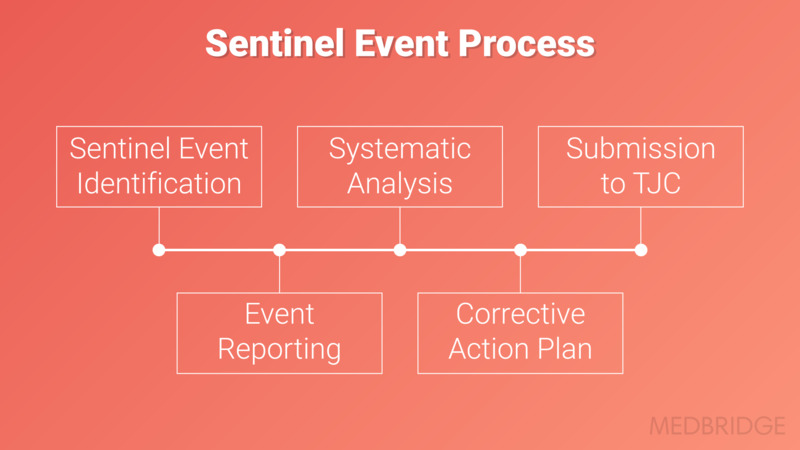
The wrong operation was performed on a patient. This incident is a clear example of a sentinel event. According to The Joint Commission, a sentinel event is a patient safety event that results in death, permanent harm, or severe temporary harm and requires immediate investigation. Performing the wrong operation on a patient is a serious error that can lead to significant harm or even death, making it a sentinel event.
Choice B Reason:
A client received an incorrect dose of medication, but it did not result in injury. While administering an incorrect dose of medication is a medication error, it does not qualify as a sentinel event if it does not result in harm. Sentinel events are defined by the severity of the outcome, and in this case, the lack of injury means it does not meet the criteria.
Choice C Reason:
A patient complains that a nurse was rude and abrasive. Although this behavior is unprofessional and can affect patient satisfaction and trust, it does not constitute a sentinel event. Sentinel events are related to significant harm or risk of harm to the patient, which is not the case here.
Choice D Reason:
A nurse withholds a medication upon suspecting that the patient may be allergic to the drug. This action is a precautionary measure taken to prevent potential harm and is not a sentinel event. In fact, it demonstrates good clinical judgment and adherence to patient safety protocols.
Whether you are a student looking to ace your exams or a practicing nurse seeking to enhance your expertise , our nursing education contents will empower you with the confidence and competence to make a difference in the lives of patients and become a respected leader in the healthcare field.
Visit Naxlex, invest in your future and unlock endless possibilities with our unparalleled nursing education contents today