
A nurse on a medical-surgical unit is assigning tasks to an assistive personnel (AP). Which of the following tasks should the nurse delegate to the AP?
Performing indwelling urinary catheter care
Demonstrating how to use an incentive spirometer
Measuring the depth of a stage 3 pressure injury
Changing the appliance on a new colostomy
The Correct Answer is A
Delegating tasks involves assigning appropriate responsibilities to assistive personnel based on their level of training, competency, and scope of practice. Performing indwelling urinary catheter care is a task that can be safely delegated to an AP who has received proper training and demonstrated competency in this skill. The nurse should ensure that the AP is familiar with the facility's policies and procedures regarding catheter care and can perform the task safely and effectively.
Demonstrating how to use an incentive spirometer requires specialized knowledge and the ability to provide clear instructions. It is typically within the scope of practice of licensed healthcare professionals, such as nurses or respiratory therapists, who have the necessary expertise to properly educate and guide patients in using an incentive spirometer. This task should not be delegated to an AP.
Measuring and assessing the depth of a pressure injury requires clinical judgment and accurate evaluation, which falls within the scope of practice of a licensed nurse. It involves understanding wound assessment, proper technique for measuring depth, and interpreting the findings. This task should be performed by the nurse rather than an AP.
Changing the appliance on a new colostomy involves skills such as assessing the stoma, selecting the appropriate appliance, and ensuring proper application. This task requires specialized knowledge and training in stoma care, and it should be performed by a licensed nurse who has the expertise in managing ostomies. It should not be delegated to an AP.
Nursing Test Bank
Naxlex Comprehensive Predictor Exams
Related Questions
Correct Answer is D
Explanation
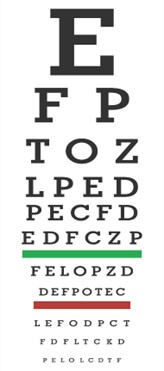
To test visual acuity using a Snellen chart, the nurse should have the patient wear glasses or contact lenses if they normally wear them . The patient should stand 20 feet from the chart . The nurse should tell the patient to first cover the right eye, then left eye, and lastly read the chart with both eyes .
The other options are not correct because:
a). The client should be positioned 20 feet away from the chart, not 3 meters (10 feet).
b) The nurse should document the smallest line the client can read accurately on the chart, not the largest line.
c) The nurse should instruct the client to begin the assessment by covering one eye and reading aloud the letters on the chart, beginning at the top and moving toward the bottom
Correct Answer is B
Explanation
Answer: B. Stiff posture
Rationale:
A. Lip-smacking : Lip-smacking is not typically an indication of pain in newborns. It may be associated with hunger or neurological responses, but it does not directly indicate discomfort or pain caused by shoulder dystocia or other injuries.
B. Stiff posture : A stiff posture can indicate pain in newborns, as they often exhibit hypertonicity or rigidity when experiencing discomfort. This response is a protective mechanism and may suggest the newborn is reacting to pain from potential nerve or tissue damage caused by shoulder dystocia.
C. Weak cry : While a weak cry may indicate neurological or respiratory distress, it is not a specific sign of pain. In the context of shoulder dystocia, a weak cry could reflect complications such as brachial plexus injury but does not directly signify the presence of pain.
D. Tongue-darting : Tongue-darting is more commonly associated with neurological issues or feeding difficulties rather than pain. It is not a typical behavioral response to discomfort or injury in newborns experiencing complications like shoulder dystocia.
Whether you are a student looking to ace your exams or a practicing nurse seeking to enhance your expertise , our nursing education contents will empower you with the confidence and competence to make a difference in the lives of patients and become a respected leader in the healthcare field.
Visit Naxlex, invest in your future and unlock endless possibilities with our unparalleled nursing education contents today