
A nurse on a medical-surgical unit is planning care for assigned clients. Which of the following actions should the nurse plan to take to demonstrate effective time management?
Document assessment findings and interventions after providing care for a group of clients.
Delay cleaning personal work area until the end of the shift.
Gather supplies for a client's dressing change after removing the old dressing.
Complete activities for one client before moving to the next client.
The Correct Answer is D
A. It's better to document assessment findings and interventions soon after interventions to ensure accuracy and avoid forgetting details.
B. Delaying cleaning personal work area until the end of the shift could lead to clutter and inefficiency throughout the shift.
C. Gather supplies for a client's dressing change after removing the old dressing.
Supplies should be gathered beforehand to streamline the process and reduce the time the wound is exposed.
D. This approach helps maintain focus and efficiency, reducing the chance of errors and ensuring that care is fully and effectively provided to one client before moving to another.
Nursing Test Bank
Naxlex Comprehensive Predictor Exams
Related Questions
Correct Answer is A
Explanation
A. Newborn genetic screening is typically performed after 24 hours of age to ensure accurate results and allow for the detection of certain genetic conditions.
B. Newborn genetic screening is typically performed only once, shortly after birth, and is not routinely repeated at 2 months of age.
C. Newborn genetic screening does not typically require the baby to drink water prior to the test.
D. While blood is drawn from the baby for genetic screening, it is typically obtained from the baby's heel, not the inner elbow.
Correct Answer is A
Explanation
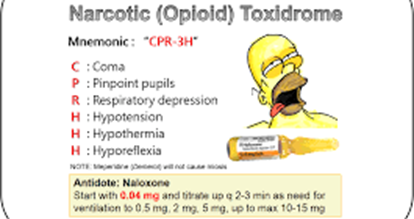
A: Naloxone is an opioid antagonist used to reverse opioid overdose, including respiratory depression caused by opioids such as hydromorphone.
B: Flumazenil is used to reverse benzodiazepine overdoses, not opioid overdoses.
C: Acetylcysteine is an antidote for acetaminophen overdose.
D: Protamine is used to reverse the effects of heparin, an anticoagulant
Whether you are a student looking to ace your exams or a practicing nurse seeking to enhance your expertise , our nursing education contents will empower you with the confidence and competence to make a difference in the lives of patients and become a respected leader in the healthcare field.
Visit Naxlex, invest in your future and unlock endless possibilities with our unparalleled nursing education contents today