
A nurse on a mental health unit is caring for a client.
Nurses' Notes
Day 1, 1300:
Client admitted following a suicide attempt. Client's family reports client has not left bedroom in 1 week. Client previously. diagnosed with bipolar disorder.
Client reports feeling excessively tired and light-headed. Allergies: Client's family reports allergy to SSRIS (angioedema) and penicillin (anaphylaxis).
1600:
Client has been sleeping in their room since admission. Flat affect noted.
For each potential provider's prescription, click to specify if the potential prescription is anticipated or contraindicated for the client.
Low-sodium diet
Potassium 40 mEq PO daily
Initiate suicide precautions
Fluoxetine 20 mg PO daily
The Correct Answer is {"A":{"answers":"B"},"B":{"answers":"A"},"C":{"answers":"A"},"D":{"answers":"B"}}
A. Low-sodium diet Contraindicated: A low-sodium diet can decrease lithium elimination, leading to increased lithium levels and risk of toxicity in lithium users. B. Potassium 40 mEq PO daily Anticipated: Potassium supplementation may be needed to prevent hypokalemia, which can occur due to lithium-induced polyuria or diuretic use. C. Initiate suicide precautions Anticipated: Suicide precautions are essential for any client who has attempted or expressed suicidal ideation, especially during the depressive phase of bipolar disorder. D. Fluoxetine 20 mg PO daily Contraindicated: Fluoxetine is an SSRI antidepressant, which can cause angioedema in clients who are allergic to SSRIs. Additionally, fluoxetine can trigger manic episodes or increase suicidal risk in clients with bipolar disorder.
Nursing Test Bank
Naxlex Comprehensive Predictor Exams
Related Questions
Correct Answer is A
Explanation
Choice A reason:
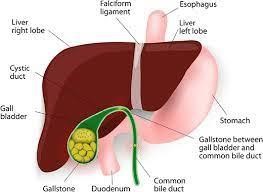
Acetaminophen is a safer choice for pain relief in clients with cholelithiasis because it does not have significant effects on the gallbladder or biliary system. It can provide effective pain relief without exacerbating the underlying condition.
Choice B reason:
Omeprazole Omeprazole should not administer because it is a proton pump inhibitor (PPI) used to reduce stomach acid production and treat conditions such as gastroesophageal reflux disease (GERD) and peptic ulcers. It is not indicated for the treatment of pain and discomfort associated with cholelithiasis.
Choice C reason
Should not be administered
Metoclopramide Metoclopramide should not be administered because it is a medication used to treat gastrointestinal issues such as nausea, vomiting, and gastroparesis. It is not indicated for the treatment of pain associated with cholelithiasis.
Choice D reason:
Ketorolac Ketorolac should not be administered because it is an NSAID used for moderate to severe pain. However, it should be avoided in clients with cholelithiasis due to its potential adverse effects on the gallbladder and biliary system.
Correct Answer is A
Explanation
A. Correct. Avoiding exposure to tobacco smoke is one of the measures to prevent SIDS, as it can affect the respiratory function and arousal of the newborn.
B. Incorrect. Placing bumper pads in the baby's crib is not recommended, as they can pose a suffocation or strangulation hazard for the newborn.
C. Incorrect. Placing the baby's head on a pillow for sleeping is not advised, as it can increase the risk of suffocation or rebreathing of carbon dioxide for the newborn.
D. Incorrect. Placing the baby in a side-lying position for sleeping is not suggested, as it can increase the likelihood of rolling over to a prone position, which is associated with a higher incidence of SIDS.
Whether you are a student looking to ace your exams or a practicing nurse seeking to enhance your expertise , our nursing education contents will empower you with the confidence and competence to make a difference in the lives of patients and become a respected leader in the healthcare field.
Visit Naxlex, invest in your future and unlock endless possibilities with our unparalleled nursing education contents today