
A nurse reviews the arterial blood gas (ABG) values of a client admitted with pneumonia: pH, 7.32; PaCO2, 48 mm Hg; PaO2, 70 mm Hg; and HCO3, 24 mEq/L. What do these values indicate?
Metabolic Acidosis
Respiratory Acidosis
Metabolic Alkalosis
Respiratory Alkalosis
The Correct Answer is B
A. Metabolic Acidosis
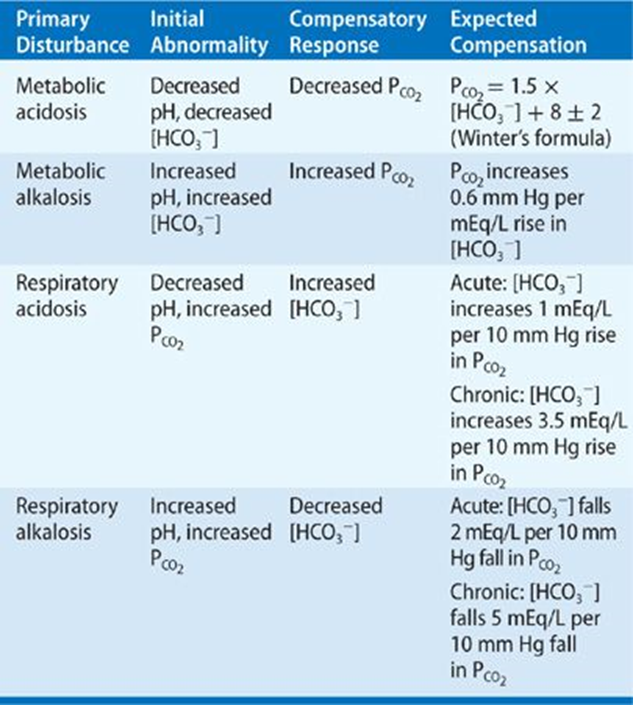
Metabolic acidosis is characterized by a low pH and low bicarbonate (HCO3) level. In this case, the pH is low (indicating acidosis), but the bicarbonate level is within the normal range, which is inconsistent with metabolic acidosis.
B. Respiratory Acidosis
This is correct. Respiratory acidosis is characterized by an elevated partial pressure of carbon dioxide (PaCO2), leading to a decrease in pH. The ABG values in this case indicate elevated PaCO2 and a low pH, consistent with respiratory acidosis.
C. Metabolic Alkalosis
Metabolic alkalosis is characterized by a high pH and high bicarbonate (HCO3) level. In this case, the pH is low (indicating acidosis), which is inconsistent with metabolic alkalosis.
D. Respiratory Alkalosis
Respiratory alkalosis is characterized by a low partial pressure of carbon dioxide (PaCO2) and a high pH. In this case, the PaCO2 is elevated, which is inconsistent with respiratory alkalosis.
Nursing Test Bank
Naxlex Comprehensive Predictor Exams
Related Questions
Correct Answer is A
Explanation
A. Metabolic Alkalosis:
pH: Elevated (alkalotic).
PaCO2: Normal or slightly decreased (compensation may or may not be present).
HCO3: Elevated.
Explanation: Metabolic alkalosis is characterized by an excess of bicarbonate (HCO3) in the blood, leading to an elevated pH. In this case, the elevated pH and HCO3 levels suggest that the primary imbalance is metabolic alkalosis.
B. Respiratory Alkalosis:
pH: Elevated (alkalotic).
PaCO2: Decreased (due to hyperventilation, which blows off CO2).
HCO3: Normal or slightly decreased (compensation).
Explanation: Respiratory alkalosis is characterized by low levels of carbon dioxide (PaCO2) due to hyperventilation. However, in the provided ABG, the PaCO2 is not significantly decreased, suggesting that respiratory alkalosis is not the primary issue.
C. Respiratory Acidosis:
pH: Decreased (acidotic).
PaCO2: Increased (due to inadequate ventilation).
HCO3: Normal or slightly elevated (compensation).
Explanation: Respiratory acidosis is characterized by an increase in carbon dioxide (PaCO2) levels. In this case, the PaCO2 is within the normal range, indicating that respiratory acidosis is not the primary problem.
D. Metabolic Acidosis:
pH: Decreased (acidotic).
PaCO2: Normal or slightly decreased (compensation).
HCO3: Decreased.
Explanation: Metabolic acidosis is characterized by a decrease in bicarbonate (HCO3) levels. In this ABG, the HCO3 is elevated, ruling out metabolic acidosis as the primary issue.
Correct Answer is A
Explanation
A. "I have difficulty breathing when walking 30 feet":
Explanation: Difficulty breathing on exertion (dyspnea) is a common symptom of iron-deficiency anemia. This is because iron is a crucial component of hemoglobin, which carries oxygen to body tissues. In the absence of sufficient iron, the oxygen-carrying capacity of the blood is reduced, leading to symptoms such as shortness of breath.
B. "I feel hot all of the time":
Explanation: Feeling hot all the time is not a typical symptom of iron-deficiency anemia. Anemia is more likely to cause symptoms related to poor oxygen delivery, such as fatigue and shortness of breath.
C. "I have a difficult time falling asleep at night":
Explanation: Difficulty falling asleep is not a classic symptom of iron-deficiency anemia. Symptoms are more likely to be related to fatigue and weakness.
D. "I have an increase in my appetite":
Explanation: An increase in appetite is not a typical symptom of iron-deficiency anemia. In fact, individuals with anemia may experience a decrease in appetite.
Whether you are a student looking to ace your exams or a practicing nurse seeking to enhance your expertise , our nursing education contents will empower you with the confidence and competence to make a difference in the lives of patients and become a respected leader in the healthcare field.
Visit Naxlex, invest in your future and unlock endless possibilities with our unparalleled nursing education contents today