
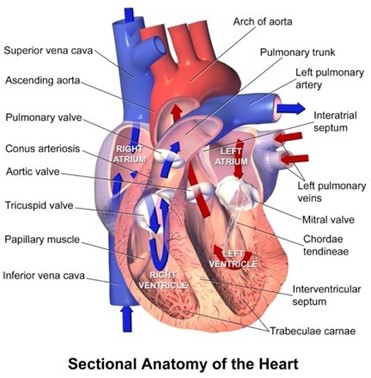
A patient newly diagnosed with heart failure understands that heart failure means there is a lack of sufficient blood supply to the patient's tissue throughout the body tells you that the is responsible for pumping blood from the hear t to the lest of the body.
Left Ventricle
Left Atria
Right Atria
Right Ventricle
The Correct Answer is A
The left ventricle is responsible for pumping oxygen-rich blood from the heart to the rest of the body. In heart failure, the left ventricle is weakened and unable to pump blood efficiently, resulting in reduced blood flow to the body's tissues. This can lead to symptoms such as fatigue, shortness of breath, and swelling in the legs and feet. Treatment for heart failure may include medications, lifestyle changes, and in some cases, surgical interventions such as a heart transplant.
Nursing Test Bank
Naxlex Comprehensive Predictor Exams
Related Questions
Correct Answer is B
Explanation
Hypertonic solutions have a higher concentration of solutes (such as sodium, glucose, or mannitol) than the fluid in the body's cells, causing water to move out of the cells and into the bloodstream. This results in the shrinking of the cells and an increase in extracellular fluid volume.
Examples of hypertonic solutions include 10% dextrose in water (D10W), 3% saline, and 5% dextrose in 0.9% saline.
In contrast, isotonic solutions have the same concentration of solutes as the fluid in the body's cells, and hypotonic solutions have a lower concentration of solutes than the fluid in the body's cells.
Therefore, in this scenario, the nurse should administer a hypertonic solution to the client who requires IV fluids.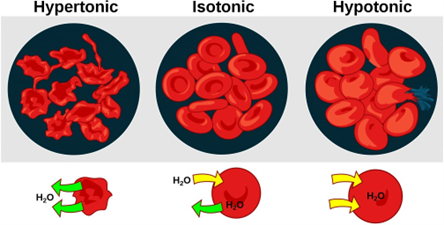
Correct Answer is A
Explanation
Deep breathing or "diaphragmatic breathing" is a technique used to prevent recurrent pneumonia and improve lung function. During deep breathing, the patient is instructed to inhale deeply, expanding their lung volume as much as possible. This process is called inspiration.
Expiration, on the other hand, is the process of exhaling or breathing out air from the lungs. Intake refers to the process of taking in air or breathing in, while chest is a part of the body where the lungs are located.

Whether you are a student looking to ace your exams or a practicing nurse seeking to enhance your expertise , our nursing education contents will empower you with the confidence and competence to make a difference in the lives of patients and become a respected leader in the healthcare field.
Visit Naxlex, invest in your future and unlock endless possibilities with our unparalleled nursing education contents today