
A patient who is ordered a fluid restriction of 1000ml fluid restriction. He is on the list for a kidney transplant due to kidney failure. His mouth feels dry during the day. and he wants to know how he can moisten his mouth without going over his restriction:
Ask the family to bring in hard cardies that help promote salivation and prevent dry mouth.
Offer him caffeinated tea since tea has diuretic properties it won’t affect his fluid restriction.
Sip the water he is allowed to have slowly to make it last throughout the day.
Drink as much Gatorade as he feels he needs to quench his thirst.
The Correct Answer is C
c. Sip the water he is allowed to have slowly to make it last throughout the day.
Option a is not recommended as hard candies may contain sugar and artificial sweeteners, which can be harmful to the patient's health.
Option b is not recommended because caffeinated tea has diuretic properties that can increase urine output, leading to further dehydration.
Option d is not recommended as Gatorade is a sports drink that contains high amounts of sugar and electrolytes, which can lead to fluid overload and imbalances.
Sipping the water slowly can help the patient moisten his mouth without going over his fluid restriction. This approach can also help him pace his fluid intake throughout the day, which can be beneficial for maintaining proper hydration levels and managing fluid overload.
Nursing Test Bank
Naxlex Comprehensive Predictor Exams
Related Questions
Correct Answer is B
Explanation
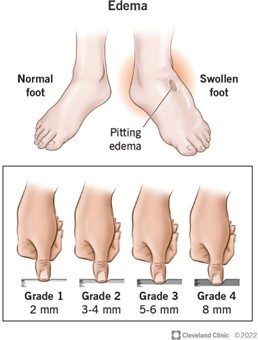
. Assess your patient’s lower extremities and lungs for fluid retention.
If a patient’s intake is 2500ml and her output is 1200ml from a catheter bag, and you are concerned that she may not be excreting enough urine for the amount of water she is taking in, the most appropriate next step would be to assess her lower extremities and lungs for fluid retention. This can help determine if the patient is retaining water and if further intervention is necessary.
Correct Answer is D
Explanation

AB+ blood type is known as the universal recipient because individuals with this blood type have both A and B antigens on the surface of their red blood cells, as well as the Rh antigen. This means that they can receive blood from donors of any ABO blood type (A, B, AB, or O) and Rh factor (positive or negative) without experiencing a transfusion reaction.
Therefore, in the case of a patient who will be needing a blood transfusion, if the nurse knows that the patient's blood type is unknown, it is ideal to give them AB+ blood type as it is considered the safest option.
Whether you are a student looking to ace your exams or a practicing nurse seeking to enhance your expertise , our nursing education contents will empower you with the confidence and competence to make a difference in the lives of patients and become a respected leader in the healthcare field.
Visit Naxlex, invest in your future and unlock endless possibilities with our unparalleled nursing education contents today