
A pregnant patient asks the nurse if she can take antihistamines for seasonal allergies during her pregnancy. What will the nurse tell the patient?
The margin of safety for antihistamines is clearly understood for pregnant patients
Second-generation antihistamines are safer than first-generation antihistamines
Antihistamines should not be taken during pregnancy but may be taken when breastfeeding
Antihistamines are contraindicated during the third trimester of pregnancy
The Correct Answer is B
The nurse will tell the patient that second-generation antihistamines are generally considered safer than first-generation antihistamines during pregnancy. While the safety of medications during pregnancy is a complex topic and individualized recommendations should be obtained from a healthcare provider, second-generation antihistamines such as loratadine (Claritin) and cetirizine (Zyrtec) are often preferred over first-generation antihistamines like diphenhydramine (Benadryl) due to their lower potential for sedation and other side effects. However, it is still important for the patient to consult with her healthcare provider for personalized advice on medication use during pregnancy.
Nursing Test Bank
Naxlex Comprehensive Predictor Exams
Related Questions
Correct Answer is B
Explanation
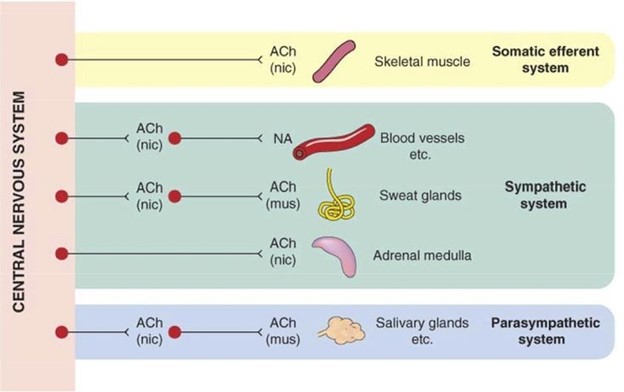
The Parasympathetic Nervous System utilizes the neurotransmitter acetylcholine. Acetylcholine is released by the postganglionic neurons of the parasympathetic nervous system and acts on target organs and tissues to elicit parasympathetic responses. It plays a crucial role in regulating various bodily functions, including digestion, heart rate, respiratory rate, and other rest and digestion activities.
Correct Answer is C
Explanation
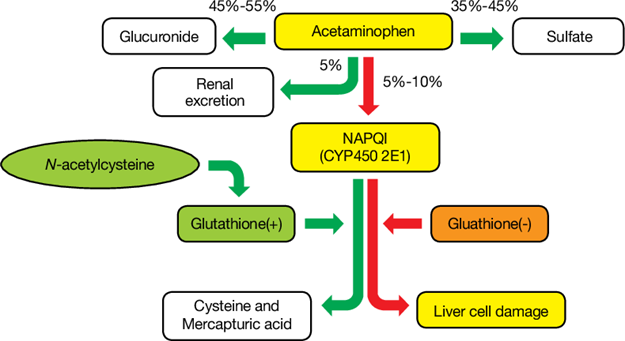
Acetaminophen overdose can cause liver damage, and acetylcysteine is used as an antidote to prevent or minimize the liver injury caused by acetaminophen toxicity. Acetylcysteine works by replenishing glutathione, a substance that helps neutralize the toxic byproducts of acetaminophen metabolism in the liver.
It is important to note that acetylcysteine is specifically indicated for acetaminophen overdose and may not be effective or appropriate for overdosage of other drugs, such as ibuprofen, diphenhydramine, or amoxicillin.
Whether you are a student looking to ace your exams or a practicing nurse seeking to enhance your expertise , our nursing education contents will empower you with the confidence and competence to make a difference in the lives of patients and become a respected leader in the healthcare field.
Visit Naxlex, invest in your future and unlock endless possibilities with our unparalleled nursing education contents today