
A preoperative nurse is caring for a client who is being prepped for emergency surgery related to a small bowel obstruction. The client is anxious and doesn’t understand what the surgeon means by “adhesions” causing the blockage. Which of the following statements is the best response from the nurse?
The most important thing is that now you are here, and it is going to get taken care of.
This means that scar tissue formed from the healing of a past abdominal surgery is now constricting the opening in your intestine.
I will be happy to go and get you some reading materials about this procedure to explain it further.
It’s okay. It happens all the time and I’ve seen a lot of clients with this issue.
The Correct Answer is B
Choice A Reason: The most important thing is that now you are here, and it is going to get taken care of
While this statement is reassuring, it does not provide the client with the specific information they are seeking about adhesions. Clients often feel more at ease when they understand the cause of their condition. Providing clear and accurate information helps reduce anxiety and empowers the client to be more involved in their care.
Choice B Reason: This means that scar tissue formed from the healing of a past abdominal surgery is now constricting the opening in your intestine
This statement is the best response because it directly addresses the client’s question about adhesions. Adhesions are bands of scar tissue that can form after abdominal surgery, causing organs or tissues to stick together. These adhesions can constrict the intestines, leading to a blockage. Providing this explanation helps the client understand the cause of their condition and the reason for the surgery.
Choice C Reason: I will be happy to go and get you some reading materials about this procedure to explain it further
Offering reading materials can be helpful, but it does not immediately address the client’s anxiety or their specific question about adhesions. While additional information can be beneficial, the nurse should first provide a clear and direct explanation to help the client understand their condition.
Choice D Reason: It’s okay. It happens all the time and I’ve seen a lot of clients with this issue
This statement may come across as dismissive and does not provide the client with the information they need. While it is important to reassure the client, it is equally important to provide specific information about their condition. Understanding the cause of their symptoms can help reduce anxiety and improve the client’s overall experience.
Nursing Test Bank
Naxlex Comprehensive Predictor Exams
Related Questions
Correct Answer is ["A","B","C"]
Explanation
Choice A Reason: Superficial palpation
Superficial palpation is typically performed after auscultation to avoid altering bowel sounds. It involves gently pressing on the abdomen to detect tenderness, masses, or other abnormalities. This step helps in identifying areas that may require deeper examination.
Choice B Reason: Auscultation
Auscultation is performed after inspection and before palpation to listen to bowel sounds without interference. Using a stethoscope, the nurse listens for the presence, frequency, and character of bowel sounds. This step is crucial as palpation can stimulate bowel activity, potentially leading to inaccurate findings.
Choice C Reason: Inspection
Inspection is the first step in an abdominal assessment. The nurse visually examines the abdomen for any abnormalities such as distension, scars, or discoloration. This step provides initial information about the child’s abdominal health and helps guide the subsequent steps of the assessment.
Choice D Reason: Deep palpation
Deep palpation is performed last to assess the deeper structures of the abdomen. This step involves applying more pressure to feel for masses, organ size, and tenderness. It is important to perform this step last to avoid causing discomfort or altering the findings of the other assessment steps.
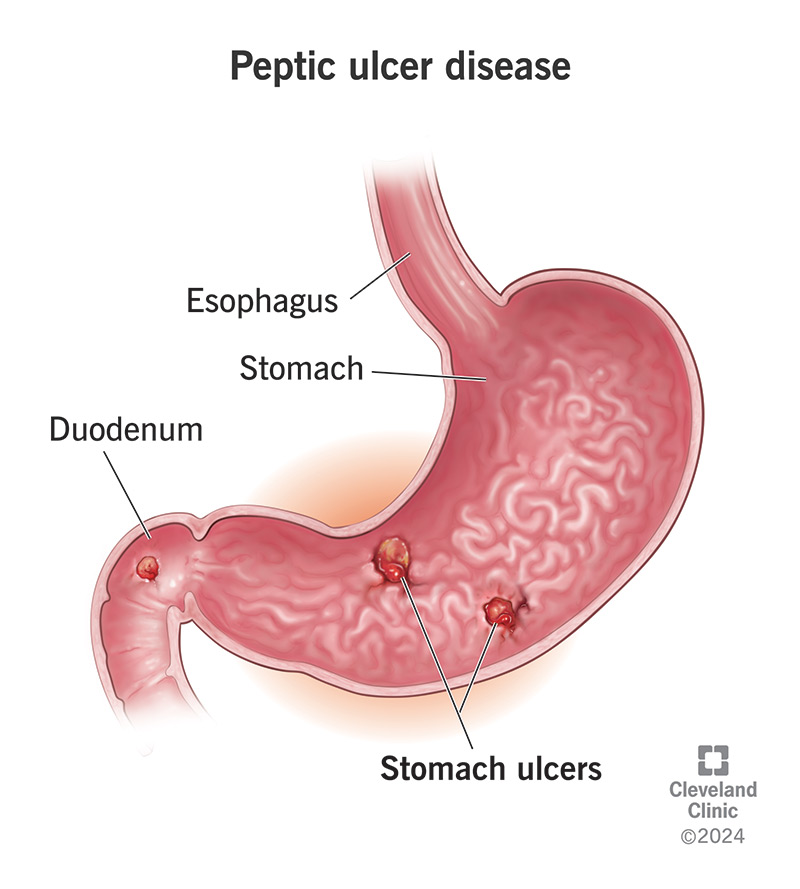
Correct Answer is C
Explanation
Choice A Reason:
Monitoring for changes in urine color, such as maroon or red-colored urine, is not typically associated with peptic ulcers. These changes could indicate other conditions, such as urinary tract infections or kidney issues.
Choice B Reason:
Ecchymosis, or bruising, on the sides of the abdomen or pelvic areas is not a common symptom of peptic ulcers. This could be related to other medical conditions, such as trauma or bleeding disorders.
Choice C Reason:
This is the correct answer. Dark or black-colored stool, known as melena, can indicate gastrointestinal bleeding, which is a serious complication of peptic ulcers. It is crucial for patients to monitor their stool color and report any changes to their healthcare provider immediately.
Choice D Reason:
Monitoring for unintentional weight gain is not directly related to peptic ulcers. While weight changes can be a sign of various health issues, they are not specific indicators of complications from peptic ulcers.
Whether you are a student looking to ace your exams or a practicing nurse seeking to enhance your expertise , our nursing education contents will empower you with the confidence and competence to make a difference in the lives of patients and become a respected leader in the healthcare field.
Visit Naxlex, invest in your future and unlock endless possibilities with our unparalleled nursing education contents today