
A with acute Gl bleeding is receiving normal saline IV at a rate of 500 ml/hr. Which assessment data obtained by the nurse are most important to communicate immediately to the healthcare provider?
The patient's lungs have crackles audible to the midline.
The patient's BP has increased to 142/94 mm Hg.
The bowel sounds are very hyperactive in all four quadrants.
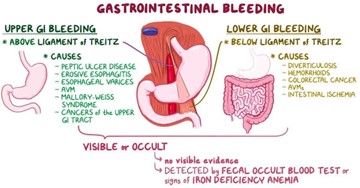
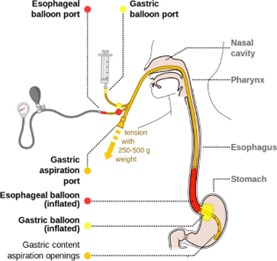
The NG suction is returning coffee-ground material.
The Correct Answer is D
Coffee-ground material in the NG suction indicates that there is active bleeding in the upper gastrointestinal tract, which could be a life-threatening situation. This requires immediate medical attention and intervention to control the bleeding and stabilize the patient.
Options A, B, and C are also important assessment data, but they are not as urgent as option D in this scenario.
Nursing Test Bank
Naxlex Comprehensive Predictor Exams
Related Questions
Correct Answer is C
Explanation
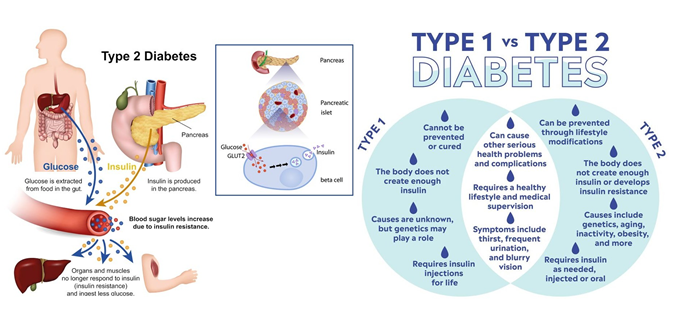
Type 2 diabetes mellitus is a metabolic disorder characterized by high blood sugar levels resulting from decreased insulin secretion and/or increased insulin resistance. In type 2 diabetes, the body's cells become resistant to insulin, which is a hormone that helps regulate blood sugar levels by allowing glucose to enter cells for energy. As a result, the pancreas produces more insulin to compensate for the increased demand, but over time, the pancreas may not be able to keep up, and blood sugar levels rise.
Unlike type 1 diabetes, which is an autoimmune disorder in which the body's immune system destroys the insulin-producing cells in the pancreas, people with type 2 diabetes still produce insulin, but their body is not able to use it effectively. Therefore, type 2 diabetes can be managed through lifestyle changes, such as diet and exercise, and/or medication, such as oral hypoglycemic agents or insulin therapy.
Correct Answer is A
Explanation
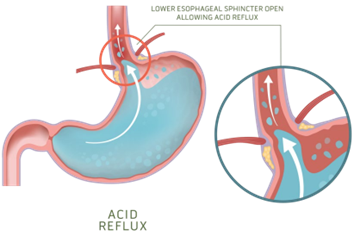
GERD can increase the risk of aspiration (inhalation of stomach contents into the lungs), which can cause respiratory issues, including abnormal breath sounds. In these cases, monitoring of breath sounds may be more appropriate than monitoring of bowel sounds.
Bowel sounds are not typically monitored for GERD patients as GERD is a condition that affects the esophagus and the stomach, not the intestines. GERD is caused by the reflux of stomach contents into the esophagus, which can cause symptoms such as heartburn and regurgitation.
Abdominal girth is not routinely monitored for GERD patients as it is not typically related to the condition. GERD is a disorder that affects the esophagus and stomach and does not typically cause significant changes in abdominal size or girth. In rare cases, GERD can be complicated by a condition known as a para oesophageal hernia, which can cause a visible bulge in the abdomen. In these cases, monitoring of abdominal size and shape may be necessary.
The apical pulse is not routinely monitored for GERD patients as it is not directly related to the condition. GERD is a disorder that affects the digestive system, specifically the esophagus and stomach and does not typically have an impact on heart rate or rhythm.
Whether you are a student looking to ace your exams or a practicing nurse seeking to enhance your expertise , our nursing education contents will empower you with the confidence and competence to make a difference in the lives of patients and become a respected leader in the healthcare field.
Visit Naxlex, invest in your future and unlock endless possibilities with our unparalleled nursing education contents today