
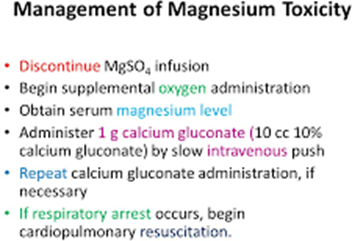
A woman with severe preeclampsia has been receiving magnesium sulfate by intravenous infusion for 8 hours. The nurse assesses the woman and documents the following findings: temperature of 98.1F, pulse rate of 96 beats/min, respiratory rate of 10 breaths/min, blood pressure (BP) of 135/90 mm Hg, 1+ deep tendon reflexes, and not ankle clonus. The nurse calls the physician, anticipating an order for:
Select one:
Diazepam.
Hydralazine orally twice a day.
Calcium Gluconate
Second bolus of Magnesium sulfate.
The Correct Answer is C
a. Diazepam is not indicated for the treatment of severe preeclampsia.
b. Hydralazine orally twice a day is not indicated for the treatment of severe preeclampsia.
c. Calcium Gluconate is indicated for the treatment of hypermagnesemia, which can occur as a result of magnesium sulfate infusion.
d. This will worsen the magnesium toxicity.
Nursing Test Bank
Naxlex Comprehensive Predictor Exams
Related Questions
Correct Answer is C
Explanation
a. This is a common cause of early decelerations, not late decelerations.
b. This is not a cause of late decelerations.
c. Late decelerations are caused by decreased blood flow to the placenta during contractions, resulting in a reduced oxygen supply to the fetus.
d. This is a common cause of variable decelerations, not late decelerations.
Correct Answer is E
Explanation
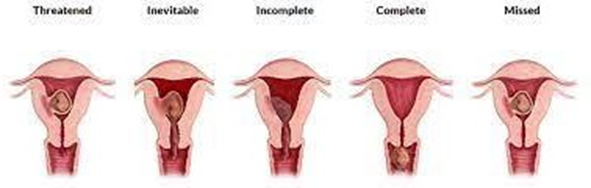
a. Inevitable abortion is characterized by vaginal bleeding, cramping, and dilated cervical os.
b. Septic abortion is associated with infection and may present with fever, chills, and foul-smelling vaginal discharge.
c. Incomplete abortion involves vaginal bleeding, cramping, and dilation of the cervical os with passage of some products of conception.
d. A missed abortion is when there is no bleeding or cramping, but the pregnancy has stopped developing and there is no fetal heartbeat. The cervix may be closed or slightly open, and the uterus may be smaller than expected for gestational age.
e. Threatened abortion involves vaginal bleeding with a closed cervical os and no passage of products of conception. It signifies a potential abortion, but the pregnancy may continue.
Whether you are a student looking to ace your exams or a practicing nurse seeking to enhance your expertise , our nursing education contents will empower you with the confidence and competence to make a difference in the lives of patients and become a respected leader in the healthcare field.
Visit Naxlex, invest in your future and unlock endless possibilities with our unparalleled nursing education contents today