
An adult male with chronic anemia is experiencing increased fatigue and occasional palpitations at rest. Which laboratory data would the nurse identify as consistent with these symptoms?
RBC Count of 4,500,000/mL.
Normal red blood cell (RBC) indices.
Hemoglobin of 8.2 g/dL (82 g/L).
Hematocrit (Hct) 38%.
The Correct Answer is C
Choice A reason: An RBC count of 4,500,000/mL is within the normal range and would not typically cause symptoms of anemia.
Choice B reason: Normal RBC indices do not indicate anemia and would not explain the symptoms.
Choice C reason: A hemoglobin level of 8.2 g/dL is below the normal range and would be consistent with symptoms of anemia such as fatigue and palpitations.
Choice D reason: A hematocrit of 38% is within the normal range for adult males and would not typically be associated with anemia symptoms.
Nursing Test Bank
Naxlex Comprehensive Predictor Exams
Related Questions
Correct Answer is B
Explanation
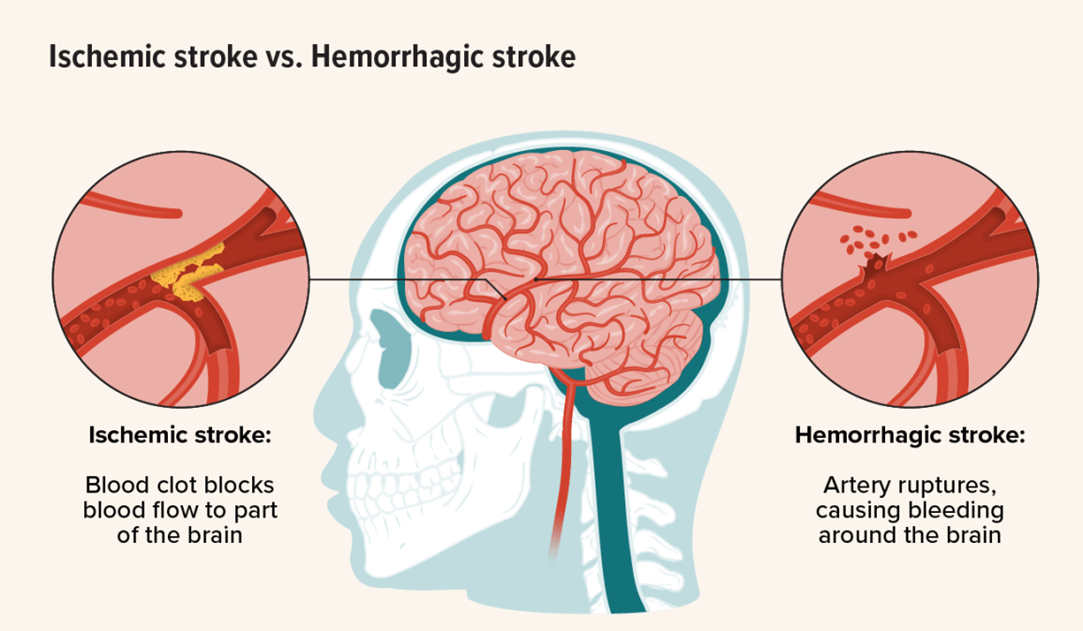
Choice A reason: An embolic stroke is caused by an embolus traveling to the brain and blocking a blood vessel. The symptoms described do not specifically indicate an embolic stroke.
Choice B reason: A hemorrhagic stroke, which is bleeding within the brain, often presents with a sudden, severe headache, vomiting, and a change in consciousness, aligning with the symptoms described.
Choice C reason: A thrombotic stroke is caused by a thrombus forming in a blood vessel in the brain. While it can cause similar symptoms, the sudden severe headache is more characteristic of a hemorrhagic stroke.
Choice D reason: A transient ischemic attack (TIA) is a temporary blockage of blood flow to the brain. The symptoms usually resolve within minutes to hours and do not typically include a severe headache or vomiting.
Correct Answer is C
Explanation
Choice A reason : While maintaining a stable ECG rhythm is important, it is not the highest priority. The primary concern is to address life-threatening complications.
Choice B reason : Educating the patient about the causes and effects of coronary heart disease (CHD) or coronary artery disease (CAD) is important for long-term management but is not the immediate priority during acute care.
Choice C reason : Adequate relief of pain is the highest priority in the care of a patient with AMI. Pain is an indicator of ongoing ischemia and can increase the workload of the heart, thereby worsening the condition.
Choice D reason (AMI): While bedrest is part of the care plan, it is not the highest priority compared to pain relief, which has direct implications on the patient's immediate physiological status.
Whether you are a student looking to ace your exams or a practicing nurse seeking to enhance your expertise , our nursing education contents will empower you with the confidence and competence to make a difference in the lives of patients and become a respected leader in the healthcare field.
Visit Naxlex, invest in your future and unlock endless possibilities with our unparalleled nursing education contents today