
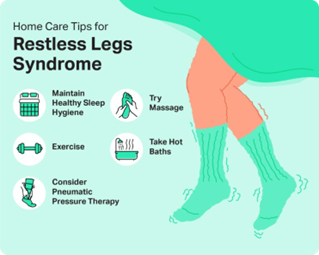
An older adult client with restless legs syndrome begins taking melatonin at bedtime. When evaluating the effectiveness of the herb which client assessment should the nurse complete?
Assess anxiety level.
Observe for peripheral edema.
Determine sleep patterns.
Palpate pedal pulse volume.
The Correct Answer is C
Restless legs syndrome is a condition that causes an uncomfortable sensation in the legs and an uncontrollable urge to move them. Melatonin is a natural hormone that helps regulate the sleep-wake cycle and can be used as a sleep aid. Therefore, when evaluating the effectiveness of melatonin in an older adult client with restless legs syndrome, the nurse should assess the client's sleep patterns to determine if the herb is improving their ability to fall and stay asleep.
Assessing anxiety level (a) may be useful in other contexts, but it is not directly relevant to evaluating the effectiveness of melatonin for restless legs syndrome. Observing for peripheral edema (b) and palpating pedal pulse volume (d) are important assessments in clients with peripheral vascular disease or other circulatory disorders, but they are not directly related to restless legs syndrome or the use of melatonin.
Nursing Test Bank
Naxlex Comprehensive Predictor Exams
Related Questions
Correct Answer is A
Explanation
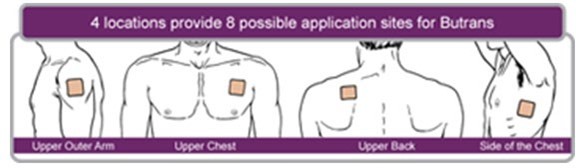
The client’s symptoms of being short of breath and difficult to arouse may indicate an overdose of morphine. The nurse should immediately remove the patches to prevent further absorption of the drug. After removing the patches, the nurse should continue to assess the client’s condition and take further actions as needed, such as administering a narcotic reversal drug or providing oxygen.
Correct Answer is B
Explanation
Metformin is a medication that can affect kidney function. Since contrast dye used in CT scans is processed through the kidneys, it is important for the nurse to follow up on the client’s use of metformin before the CT scan with contrast. The client may need to temporarily stop taking metformin before and after the procedure to prevent any potential harm to their kidneys.
Whether you are a student looking to ace your exams or a practicing nurse seeking to enhance your expertise , our nursing education contents will empower you with the confidence and competence to make a difference in the lives of patients and become a respected leader in the healthcare field.
Visit Naxlex, invest in your future and unlock endless possibilities with our unparalleled nursing education contents today