
A client who received a renal transplant three months ago is readmitted to the acute care unit with signs of graft rejection. While taking the client’s history, the nurse determines that the client has been self-administering St. John's Wort, an herbal preparation on the advice of a friend.
Which information is most significant about this finding?
The client probably used this herb to treat depression.
Wort can decrease plasma concentrations of the cyclosporine.
Ingestion of wort can reduce the client’s intake of sodium.
Adding the herb can decrease the need for corticosteroids.
Adding the herb can decrease the need for corticosteroids.
The Correct Answer is B
Cyclosporine is an immunosuppressive medication commonly used to prevent graft rejection after organ transplantation. St. John's Wort is known to induce cytochrome P450 enzymes, which can increase the metabolism and decrease the effectiveness of many medications, including cyclosporine. This interaction can lead to decreased plasma concentrations of cyclosporine, which can increase the risk of graft rejection. Therefore, it is important to advise the client to discontinue the use of St. John's Wort and inform their healthcare provider about any herbal or supplement use to prevent potential interactions with prescribed medications. Options a, c, and d are not directly related to the client's current condition and are not as significant as option b.

Nursing Test Bank
Naxlex Comprehensive Predictor Exams
Related Questions
Correct Answer is D
Explanation
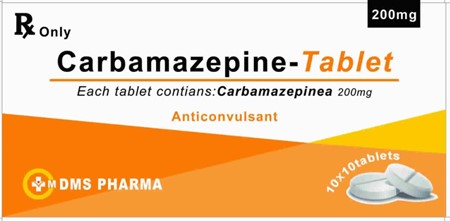
A carbamazepine level of 8.4 mg/L is within the therapeutic range of 4-12 mg/L. The nurse should administer the evening dose of carbamazepine as prescribed. The nurse should continue to monitor the client’s carbamazepine levels and assess for any side effects of the medication.
Correct Answer is D
Explanation
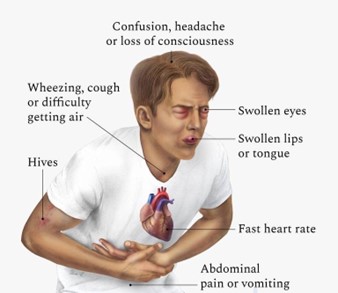
Anaphylaxis is a severe and potentially life-threatening allergic reaction that occurs rapidly after exposure to an allergen. The symptoms of anaphylaxis can vary but usually involve multiple organ systems, including the skin, respiratory, cardiovascular, and gastrointestinal systems.
Wheezing and dyspnea are two common symptoms of anaphylaxis that indicate the respiratory system's involvement.
Urticaria and pruritis are skin manifestations that can also be present in anaphylaxis, but they are not specific to this condition.
Insomnia and irritability are not typical symptoms of anaphylaxis.
Tinnitus and diplopia are also not common symptoms of anaphylaxis.
Whether you are a student looking to ace your exams or a practicing nurse seeking to enhance your expertise , our nursing education contents will empower you with the confidence and competence to make a difference in the lives of patients and become a respected leader in the healthcare field.
Visit Naxlex, invest in your future and unlock endless possibilities with our unparalleled nursing education contents today