
A client taking atorvastatin becomes an increased serum creatine phosphokinase (CK) level.
The nurse should assess the client for the onset of which problem?
Nausea and vomiting.
Excessive bruising.
Peripheral edema.
Muscle tenderness.
The Correct Answer is D
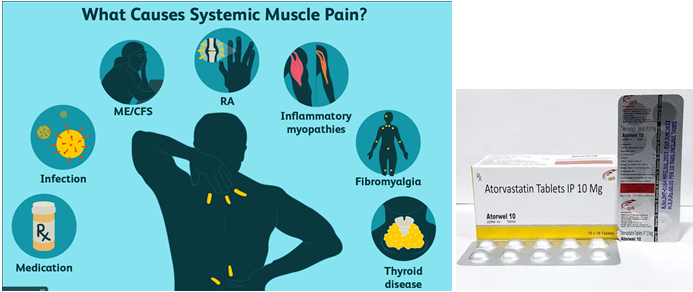
Atorvastatin is a medication used to lower cholesterol levels in the blood. One of its side effects is muscle damage, which can result in an increase in serum creatine phosphokinase (CK) levels. Creatine phosphokinase is an enzyme found in muscles, and when muscles are damaged, CK is released into the bloodstream. Therefore, an increased serum CK level indicates muscle damage, and the nurse should assess the client for muscle tenderness or weakness, which are symptoms of this side effect. Nausea and vomiting, excessive bruising, and peripheral edema are not typically associated with atorvastatin use.
Nursing Test Bank
Naxlex Comprehensive Predictor Exams
Related Questions
Correct Answer is D
Explanation
The client's symptoms suggest liver dysfunction, which is a known adverse effect of albendazole. Albendazole is primarily metabolized in the liver, and its use can cause liver damage in some cases. Therefore, it is essential to review liver function test results to assess the severity of liver damage and to determine if the medication should be discontinued or the dosage should be adjusted.
The renal function panel (a) measures the levels of various substances, such as creatinine and blood urea nitrogen, in the blood to assess kidney function.
The thyroid function test (b) evaluates the levels of thyroid hormones in the blood to diagnose thyroid disorders.
The basic metabolic panel (c) includes several tests that assess the levels of electrolytes, glucose, and other substances in the blood to evaluate metabolic function. However, these lab tests are not directly related to the symptoms and adverse effects associated with albendazole use

Correct Answer is C
Explanation
Digoxin is a medication commonly used to treat heart failure by strengthening the heart's contractions and slowing down the heart rate. However, it can also cause nausea, vomiting, and loss of appetite, especially when levels in the body are too high. Furosemide is a diuretic medication that helps to remove excess fluid from the body, which is often necessary in heart failure. However, it can also cause electrolyte imbalances, such as low potassium levels, which can contribute to nausea and vomiting.
Therefore, in a client with heart failure who is experiencing these symptoms, it is important to assess their medication regimen, including dosages and serum levels, to ensure that they are not experiencing medication side effects or toxicity.
Adjustments may need to be made to the client's medication regimen to manage symptoms effectively and prevent further complications. Options (a), (b), and (d) do not have as direct a correlation to the current symptoms and would not have the same level of significance when planning care for this client.

Whether you are a student looking to ace your exams or a practicing nurse seeking to enhance your expertise , our nursing education contents will empower you with the confidence and competence to make a difference in the lives of patients and become a respected leader in the healthcare field.
Visit Naxlex, invest in your future and unlock endless possibilities with our unparalleled nursing education contents today