
Before leaving the room of a confused client, the nurse notes that a half-bow knot was used to attach the client's wrist restraints to the movable portion of the client's bed frame. What action should the nurse take before leaving the room?
Tie the knot with a double turn or square knot.
Ensure that the restraints are snug against the client's wrists.
Move the ties so the restraints are secured to the side rails.
Ensure that the knot can be quickly released.
The Correct Answer is D
Choice A: A double turn or square knot is not recommended because it is not a quick-release knot, which is necessary for patient safety in case of an emergency
Choice B: While restraints need to be secure, they should not be snug against the client's wrists. There should be enough space to fit two fingers between the restraint and the wrist to prevent circulation issues.
Choice C: Ties should not be secured to side rails as this can cause injury if the rails are moved. Instead, they should be attached to the movable part of the bed frame.
Choice D: This is the correct action. A half-bow knot is a type of quick-release knot, which is essential for the safety and quick release of the patient if needed
Nursing Test Bank
Naxlex Comprehensive Predictor Exams
Related Questions
Correct Answer is C
Explanation
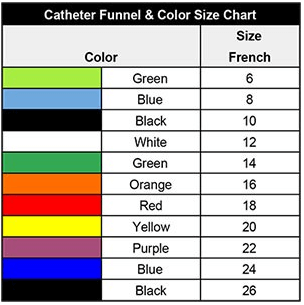
This is the first action that the PN should take because the catheter size and balloon volume are inappropriate for the client. A #18 urinary catheter is too large for a female client who weighs 50 kg, and a 30 mL balloon may cause bladder trauma or discomfort. The PN should consult with the charge nurse and obtain a smaller catheter (such as #14 or #16) with a 10 mL balloon.
Correct Answer is B
Explanation
This is the best initial intervention for the PN to implement because it promotes comfort, relaxation, and circulation for the client. A back rub can also reduce anxiety and muscle tension, which can interfere with sleep. The PN should use non-pharmacological methods to facilitate sleep before resorting to medication.
Whether you are a student looking to ace your exams or a practicing nurse seeking to enhance your expertise , our nursing education contents will empower you with the confidence and competence to make a difference in the lives of patients and become a respected leader in the healthcare field.
Visit Naxlex, invest in your future and unlock endless possibilities with our unparalleled nursing education contents today