
community health nurse notes that six new cases of diabetes mellitus have been reported in the past 3 months. In the previous year, five cases were reported. The population of the community is 15,000 people. Which of the following is the prevalence proportion for the community?
11/15,000
6/15,000
11/11,000
6/11,000
The Correct Answer is A
Choice A reason: This statement is true and relevant. The prevalence proportion is the number of existing cases of a disease divided by the total population at risk. In this case, the existing cases of diabetes mellitus are 11 (6 new cases plus 5 old cases), and the total population at risk is 15,000. Therefore, the prevalence proportion is 11/15,000, which can be simplified to 0.00073 or 0.073%.
Choice B reason: This statement is false and misleading. The prevalence proportion is not calculated by using only the new cases of a disease, but by using the total number of existing cases. Using only the new cases would result in an underestimation of the prevalence proportion.
Choice C reason: This statement is false and misleading. The prevalence proportion is not calculated by using the difference between the total population and the existing cases of a disease, but by using the total population at risk. Using the difference would result in an overestimation of the prevalence proportion.
Choice D reason: This statement is false and misleading. The prevalence proportion is not calculated by using both the difference between the total population and the existing cases of a disease and the new cases of a disease, but by using the total number of existing cases and the total population at risk. Using both the difference and the new cases would result in an incorrect calculation of the prevalence proportion.
Nursing Test Bank
Naxlex Comprehensive Predictor Exams
Related Questions
Correct Answer is B
Explanation
Choice A reason:Tracking rates of illness caused by infection among employees would help in detecting biological hazards rather than physical ones. While important, it does not directly relate to the detection of physical hazards such as noise, radiation, or temperature extremes.
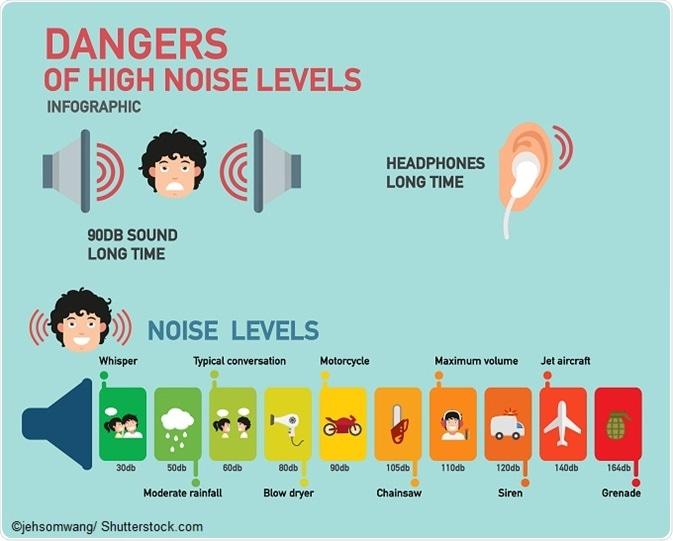
Choice B reason:Measuring noise levels is a direct method for detecting potential physical hazards in the workplace. Excessive noise can lead to hearing loss and other health issues, making it a critical physical hazard to identify and mitigate.
Choice C reason:Identifying industrial toxins deals with chemical hazards. While these are significant concerns within a work environment, they are not classified as physical hazards, which are related to energy and matter.
Choice D reason:Surveying workers about job-related emotional stress is useful for identifying psychosocial hazards. These are important but distinct from physical hazards, which are tangible and can be measured with instruments.
Correct Answer is C
Explanation
Choice A reason: Using third person can make the content less personal and engaging. Health literacy involves clear communication that resonates with the audience, which often means using a more direct and personal approach.
Choice B reason: Focusing solely on medical facts may not meet health literacy needs if the information does not translate into actionable behaviors for the audience. It's important to connect facts with actions people can take.
Choice C reason: Ensuring content is written at an 8th-grade reading level is a recognized standard for health literacy. It makes the information accessible to a wider audience, including those with varying levels of education.
Choice D reason: While using a 16-point font may improve readability, especially for those with visual impairments, it does not address the complexity of the language or the content's relevance to the audience's needs.

Whether you are a student looking to ace your exams or a practicing nurse seeking to enhance your expertise , our nursing education contents will empower you with the confidence and competence to make a difference in the lives of patients and become a respected leader in the healthcare field.
Visit Naxlex, invest in your future and unlock endless possibilities with our unparalleled nursing education contents today