
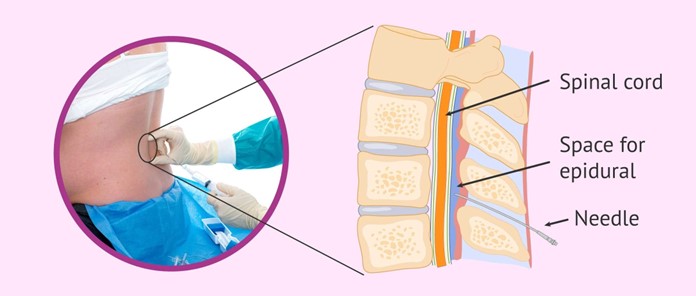
Epidural anesthesia is initiated for a primigravida at 40 weeks gestation who is in active labor. Which assessment has the greatest priority for the practical nurse to monitor during the administration of epidural anesthesia?
Level of pain sensation.
Maternal blood pressure (BP).
Infusion pump and IV site.
Variability of fetal heart rate.
The Correct Answer is B
The greatest priority for the practical nurse to monitor during the administration of epidural anesthesia is maternal blood pressure (BP). Epidural anesthesia can cause maternal hypotension due to vasodilation and decreased venous return, which can result in decreased fetal perfusion and oxygenation. Therefore, it is important for the practical nurse to monitor maternal BP frequently and promptly report any significant changes to the healthcare provider. Options A, C, and D are also important assessments, but they are not the priority in this scenario.
Therefore, options A, C, and D are not answers because they are not the priority assessment during the administration of epidural anesthesia.
Nursing Test Bank
Naxlex Comprehensive Predictor Exams
Related Questions
Correct Answer is B
Explanation
The most important information for the PN to obtain at a health fair for high school students is their immunization history. This information is crucial for ensuring that the students are up-to-date on their vaccinations and protected against preventable diseases.
Option A, obtaining weight and height, is important for assessing overall health and growth but is not the most important information to obtain in this situation.
Option C, checking visual acuity, is also important but not the most crucial information to obtain.
Option D, asking about sexual activity, can provide useful information about the student's sexual health but is not the most important information to obtain in this situation.
Correct Answer is C
Explanation
Limited abduction of the legs in a newborn can be a sign of developmental dysplasia of the hip (DDH), a condition in which the hip joint is not properly formed. The practical nurse (PN) should notify the healthcare provider of this finding so that further assessment and appropriate intervention can be initiated.
Performing range of motion to the joint (A) is not appropriate without a healthcare provider's order. Continuing care as if this is a normal finding (B) is not appropriate because limited abduction of the legs in a newborn can be a sign of DDH. While documenting the finding in the record (D) is important, notifying the healthcare provider is the most important action for the PN to take next.
Whether you are a student looking to ace your exams or a practicing nurse seeking to enhance your expertise , our nursing education contents will empower you with the confidence and competence to make a difference in the lives of patients and become a respected leader in the healthcare field.
Visit Naxlex, invest in your future and unlock endless possibilities with our unparalleled nursing education contents today