
The practical nurse (PN) is monitoring a 5-year-old following a fracture of the ulna. For which situation should the PN seek immediate intervention by the registered nurse (RN)?
The child likes to wiggle the fingers on the hand of the affected side.
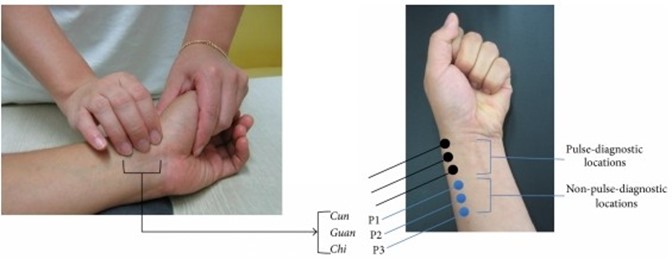
The child's radial pulse volume on the affected arm is difficult to palpate.
An accurate respiratory rate cannot be measured because of the child's crying.
The parents of the child are requesting that the child receive an analgesic.
The Correct Answer is B
This could indicate reduced blood flow to the affected arm, which may be a sign of compartment syndrome. Compartment syndrome is a serious condition that requires immediate intervention by a registered nurse (RN). The other options may also require intervention, but they are not as urgent as the situation described in option B.
Nursing Test Bank
Naxlex Comprehensive Predictor Exams
Related Questions
Correct Answer is A
Explanation
The practical nurse (PN) should ask the client if he is planning to obey the voices, as this will help determine the client's risk for harming himself or others. The PN should also ask about the onset and duration of the symptoms and any factors that may have triggered them, such as drug use or recent stressors. Additionally, the PN should assess the client's perception of the voices, as some individuals may recognize them as a symptom of a mental illness, while others may believe them to be real. It is important for the PN to remain non-judgmental and supportive during the assessment, while prioritizing the client's safety.
Correct Answer is B
Explanation
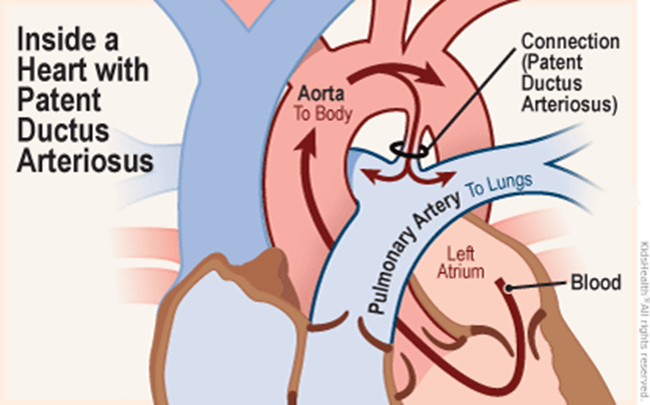
The practical nurse (PN) should recognize that a newborn whose mother has poorly controlled type 1 diabetes mellitus and is exhibiting grunting with mild sternal retractions is exhibiting signs of patent ductus arteriosus. Patent ductus arteriosus is a condition in which the ductus arteriosus, a blood vessel that connects the pulmonary artery to the aorta, fails to close after birth. This can result in abnormal blood flow between the aorta and pulmonary artery, leading to respiratory distress.
Hypothyroidism (Option A) and hyperinsulinemia (Option C) are conditions that can occur in newborns, but they do not typically present with grunting and sternal retractions.
Ventral septal defect (Option D) is a congenital heart defect that can cause respiratory distress, but it is not specifically associated with maternal diabetes.
Whether you are a student looking to ace your exams or a practicing nurse seeking to enhance your expertise , our nursing education contents will empower you with the confidence and competence to make a difference in the lives of patients and become a respected leader in the healthcare field.
Visit Naxlex, invest in your future and unlock endless possibilities with our unparalleled nursing education contents today