
How does hypoventilation affect the blood's pH?
Less H and HCO3 form, increasing the blood's pH.
More H and HCO3 form, increasing the blood's pH.
Less H and HCO3- form, decreasing the blood's pH.
More H and HCO3 form, decreasing the blood's pH.
The Correct Answer is D
More H and HCO3 form, decreasing the blood's pH.
Rationale: Hypoventilation is a condition where the breathing rate is too slow or shallow, resulting in insufficient removal of carbon dioxide (CO2) from the body. CO2 reacts with water (H2O) to form carbonic acid (H2CO3), which can dissociate into hydrogen ions (H+) and bicarbonate ions (HCO3-). Therefore, when CO2 accumulates in the blood due to hypoventilation, more H2CO3 is formed, which lowers the blood's pH by increasing the concentration of H+ and HCO3-.
Nursing Test Bank
Naxlex Comprehensive Predictor Exams
Related Questions
Correct Answer is A
Explanation
Cushing syndrome is a condition that occurs when the body is exposed to high levels of cortisol, a hormone produced by the adrenal glands. Cortisol helps regulate metabolism, blood pressure, immune function, and stress response.
However, excess cortisol can cause various problems, such as weight gain, moon face (round and puffy face), buffalo hump (fat accumulation on the upper back), purple striae (stretch marks), irregular periods, weakness, emotional changes, and easy bruising. One of the causes of Cushing syndrome is the overproduction of ACTH by the pituitary gland, which stimulates the adrenal glands to produce more cortisol.
Correct Answer is C
Explanation
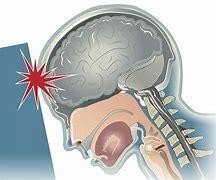
A cerebral concussion is a mild traumatic brain injury that occurs when a blow to the head causes the brain to move rapidly inside the skull, resulting in temporary changes in brain function. A concussion can cause confusion, memory loss, impaired concentration, dizziness, headache, nausea, blurred vision, and mood changes. Most concussions resolve within a few days or weeks with rest and monitoring.
Whether you are a student looking to ace your exams or a practicing nurse seeking to enhance your expertise , our nursing education contents will empower you with the confidence and competence to make a difference in the lives of patients and become a respected leader in the healthcare field.
Visit Naxlex, invest in your future and unlock endless possibilities with our unparalleled nursing education contents today