
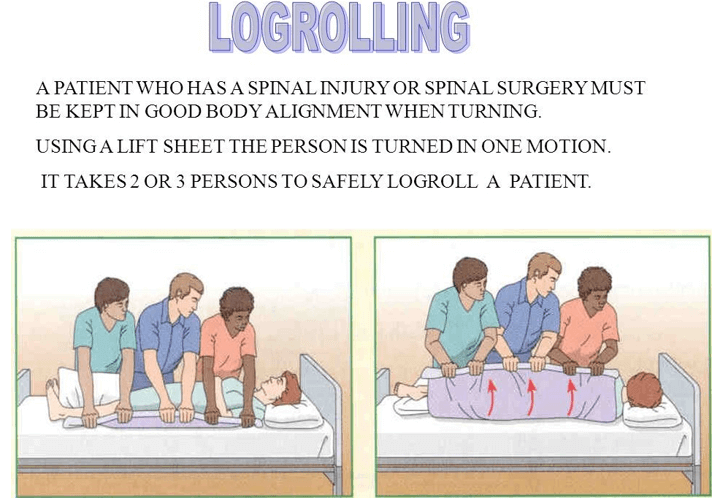
Immediately after log-rolling a client to a lateral position, which intervention should the practical nurse (PN) implement?
Raise the head of the bed 30 degrees
Measure blood pressure and pulse rate
Flex legs and place blanket between legs
Place pillows to maintain alignment.
The Correct Answer is D
Nursing Test Bank
Naxlex Comprehensive Predictor Exams
Related Questions
Correct Answer is ["30"]
Explanation
Question: How many mL/hour should the nurse program the infusion pump?
Step 1: Convert 176 pounds to kg. 176 lbs ÷ 2.2 = 80 kg
Step 2: Calculate the total mcg per hour. 2 mcg/min × 60 min = 120 mcg/hour
Step 3: Convert mcg to mg. 120 mcg ÷ 1000 = 0.12 mg
Step 4: Calculate the mL/hour. 0.12 mg ÷ (4 mg ÷ 1000 mL) = 30 mL/hour
Answer: 30 mL/hour
Correct Answer is ["A","D","E"]
Explanation
The correct answers are:
a) Observe the progression of the seizure.
- Pad the side rails with pillows.
- Loosen clothing around the neck.
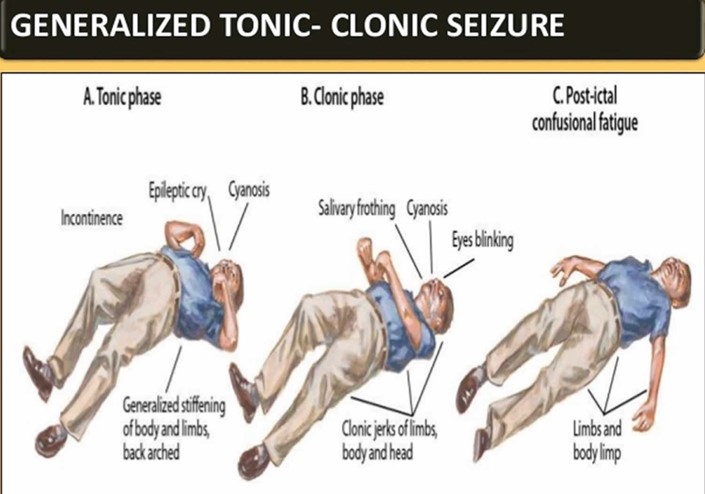
Explanation: During a generalized tonic-clonic seizure, it is important for the practical nurse (PN) to prioritize the safety and well-being of the child. The correct actions to implement immediately are:
a) Observe the progression of the seizure: The PN should closely observe the seizure to gather important information that can be helpful for medical professionals in assessing the seizure's characteristics and duration.
- Pad the side rails with pillows: Padding the side rails of the bed with pillows helps to prevent the child
from injuring themselves by hitting the side rails during the seizure.
- Loosen clothing around the neck: Loosening any tight clothing around the child's neck helps to ensure adequate breathing and prevent any constriction or discomfort during the seizure.
- Hold the extremities close to the body: This action is not recommended during a seizure as it may increase the risk of injury to the child or the PN.
- Insert a tongue blade between the teeth: It is not recommended to insert any object, including a tongue blade, between the teeth of a person experiencing a seizure. This can cause injury to the person's mouth or teeth and is no longer considered an appropriate intervention for seizures.
Whether you are a student looking to ace your exams or a practicing nurse seeking to enhance your expertise , our nursing education contents will empower you with the confidence and competence to make a difference in the lives of patients and become a respected leader in the healthcare field.
Visit Naxlex, invest in your future and unlock endless possibilities with our unparalleled nursing education contents today