
In patients with hyperparathyroidism, what bone-related complication should a nurse anticipate?
Increased bone density
Bone infection
Osteoporosis
Fracture healing enhancement
The Correct Answer is C
A. Increased bone density: Hyperparathyroidism involves excessive secretion of Parathyroid Hormone (PTH). PTH works to raise blood calcium levels by pulling calcium out of the bones. This reduces, rather than increases, bone density.
B. Bone infection: While bones can get infected (osteomyelitis), this is usually due to bacteria introduced via trauma or surgery, not a hormonal imbalance like hyperparathyroidism.
C. Osteoporosis: Excess PTH stimulates osteoclasts (bone-breaking cells) to break down bone matrix and release calcium into the blood. Chronic breakdown leads to weak, brittle bones (osteoporosis) and a high risk of pathological fractures.
D. Fracture healing enhancement: Because the condition constantly removes calcium from bones to keep blood levels high, the structural integrity of the bone is compromised, hindering rather than helping bone strength and repair.
Nursing Test Bank
Naxlex Comprehensive Predictor Exams
Related Questions
Correct Answer is C
Explanation
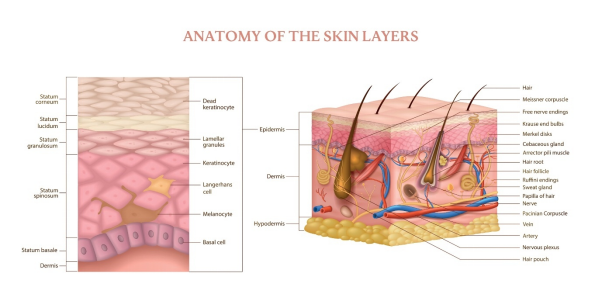
A. Adipose tissue:Adipose (fat) tissue is primarily located in the hypodermis(subcutaneous layer), which is the layer beneath the dermis.
B. Stratum lucidum:This is a specific layer of the epidermis(the outermost skin layer), found only in thick skin like the palms and soles. If the wound has reached the dermis, it has already passed through the epidermis.
C. Sweat glands:The functional units of sweat glands, hair follicles, and sebaceous (oil) glands are located within the dermis. A wound extending into this layer would disrupt these structures.
D. Melanocytes:Melanocytes are pigment-producing cells located in the stratum basale, which is the deepest layer of the epidermis, sitting just above the dermis.
Correct Answer is D
Explanation
A. Dendrites:Dendrites are the branch-like extensions that receive signals from other neurons and transmit them towards the cell body (soma).
B. Synapse:The synapse is not a part of the physical neuron structure itself, but rather the gap or junction between two neurons where chemical neurotransmitters are released to bridge the connection.
C. Soma:The soma is the cell body containing the nucleus and organelles. It processes incoming signals but relies on the axon to send the outgoing command.
D. Axon:The axon is the long, tail-like projection that conducts electrical impulses (action potentials) away from the cell body to target cells (such as other neurons, muscles, or glands).
Whether you are a student looking to ace your exams or a practicing nurse seeking to enhance your expertise , our nursing education contents will empower you with the confidence and competence to make a difference in the lives of patients and become a respected leader in the healthcare field.
Visit Naxlex, invest in your future and unlock endless possibilities with our unparalleled nursing education contents today