
Which of the following hormones are primarily involved in regulating calcium levels in the blood? (Select all that apply)
Parathyroid hormone (PTH)
Thyroxine
Cortisol
Insulin
Calcitonin
Glucagon
Correct Answer : A,E
A. Parathyroid hormone (PTH): PTH is the principal hormone that raises blood calcium. It increases bone resorption (releasing Ca²⁺), enhances renal calcium reabsorption, and stimulates activation of vitamin D (calcitriol) in the kidney, which increases intestinal calcium absorption.
B. Thyroxine: Thyroxine (T4) regulates metabolic rate and growth. It does not play a primary role in acute regulation of serum calcium, although chronic thyroid disease can influence bone turnover indirectly.
C. Cortisol: Cortisol (a glucocorticoid) can affect bone metabolism and calcium balance with long-term excess (promotes bone resorption and can reduce calcium absorption), but it is not a primary hormone for short-term physiologic regulation of serum calcium.
D. Insulin: Insulin primarily regulates glucose uptake and metabolism; it does not directly regulate serum calcium levels.
E. Calcitonin: Secreted by the thyroid C cells, calcitonin lowers blood calcium by inhibiting osteoclast activity and decreasing bone resorption. Its role in humans is less critical than PTH for everyday calcium homeostasis, but it is a classical calcium-lowering hormone.
F. Glucagon: Glucagon primarily raises blood glucose by stimulating glycogenolysis and gluconeogenesis. It does not have a primary role in calcium regulation.
Nursing Test Bank
Naxlex Comprehensive Predictor Exams
Related Questions
Correct Answer is B
Explanation
A. Kyphosis; excessive outward curvature:Kyphosis describes an excessive outward curvature (increased thoracic convexity, producing a “hunchback” appearance). This is a curvature abnormality, but it refers specifically to exaggerated thoracic outward curvature. (True statement, but the option names a specific type - see B for lateral curvature.)
B. Scoliosis; lateral curvature:Scoliosis is an abnormal lateral (side-to-side) curvature of the spine and is the correct classification when a practitioner notes a lateral curvature.
C. Lordosis; inward curvature:Lordosis is an excessive inward curvature of the lumbar spine (swayback). It is a curvature abnormality but indicates inward (anterior) curve, not lateral.
D. Osteopenia; reduced bone mass:Osteopenia describes reduced bone mineral density (less severe than osteoporosis) and affects bone strength, not the curvature shape of the spine.
Correct Answer is C
Explanation
A. The release of oxytocin during childbirth:This is the classic example of positivefeedback. Uterine contractions stimulate the release of oxytocin, which causes stronger contractions, which stimulates more oxytocin, continuing until delivery is complete.
B. The activation of the sympathetic nervous system during stress:This is a neurological "fight or flight" response. While it involves hormones (epinephrine), the mechanism of rapidly ramping up the body's alert state is not a homeostatic negative feedback loop (which aims to reverse a change).
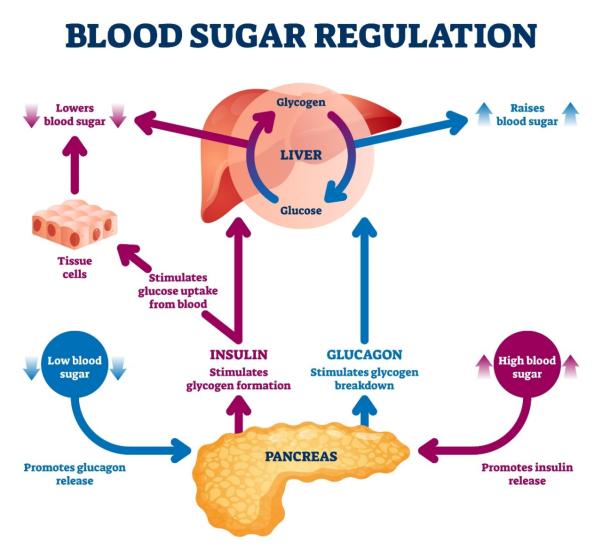
C. The regulation of blood glucose levels by insulin and glucagon:Negative feedback works to reverse a deviation from the set point. If blood glucose rises, insulin is released to lower it. If blood glucose drops, glucagon is released to raise it. The system works to negate the stimulus (high or low sugar) to maintain balance.
D. The release of adrenaline during exercise:Similar to choice B, this is a response to increased demand (feed-forward) rather than a loop designed to keep adrenaline levels constant.
Whether you are a student looking to ace your exams or a practicing nurse seeking to enhance your expertise , our nursing education contents will empower you with the confidence and competence to make a difference in the lives of patients and become a respected leader in the healthcare field.
Visit Naxlex, invest in your future and unlock endless possibilities with our unparalleled nursing education contents today