
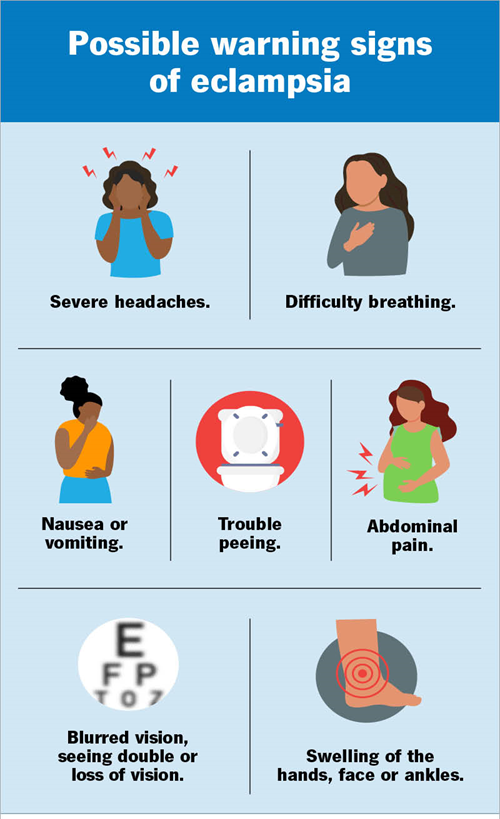
A nurse is caring for an adolescent client who is gravida 1 and para 0. The client was admitted to the hospital at 38 weeks of gestation with a diagnosis of preeclampsia. Which of the following findings should the nurse identify as inconsistent with preeclampsia?
3+ protein in the urine.
Deep tendon reflexes of 1+.
Blood pressure 148/98 mm Hg.
1+ pitting sacral edema.
None
None
The Correct Answer is B
Choice A Reason:
The presence of 3+ protein in the urine is consistent with preeclampsia. Proteinuria is a key diagnostic criterion for preeclampsia, indicating kidney involvement and damage. High levels of protein in the urine are a common finding in patients with preeclampsia.
Choice B Reason:
Deep tendon reflexes of 1+ are inconsistent with preeclampsia. Preeclampsia often causes hyperreflexia, which means increased reflex responses. Typically, patients with preeclampsia exhibit brisk reflexes (3+ or 4+), which can be a sign of central nervous system irritability and an increased risk of seizures.
Choice C Reason:
A blood pressure reading of 148/98 mm Hg is consistent with preeclampsia. Preeclampsia is characterized by high blood pressure, defined as systolic blood pressure of 140 mm Hg or higher, or diastolic blood pressure of 90 mm Hg or higher, measured on two occasions at least four hours apart.
Choice D Reason:
1+ pitting sacral edema is consistent with preeclampsia. Edema, particularly in the lower extremities and sacral area, is a common symptom of preeclampsia due to increased capillary permeability and fluid retention.
Nursing Test Bank
Naxlex Comprehensive Predictor Exams
Related Questions
Correct Answer is B
Explanation
The correct answer is b) “We do routine hearing screenings on newborns. You’ll know the results before you leave the hospital.”
Choice A reason:
The statement “There is no need to worry about that. Most forms of hearing loss are not inherited” is not entirely accurate. While it is true that not all forms of hearing loss are inherited, genetic factors can play a significant role in hearing loss. Approximately 50-60% of hearing loss in infants is due to genetic causes. Therefore, dismissing the concern without proper screening is not advisable.
Choice B reason:
Routine hearing screenings are conducted on newborns to detect any hearing issues early. These screenings are typically performed before the baby leaves the hospital. The two main types of newborn hearing screenings are Otoacoustic Emissions (OAEs) and Automated Auditory Brainstem Response (AABR). These tests are safe, painless, and can identify hearing loss early, allowing for timely intervention. Early detection is crucial for the development of speech, language, and social skills.
Choice C reason:
Clapping hands loudly to see if the baby startles is not a reliable method to determine hearing ability. While a startle response might indicate that the baby can hear, it does not provide comprehensive information about the baby’s hearing capabilities. Newborn hearing screenings are more accurate and can detect even mild hearing loss.
Choice D reason:
Observing how the baby looks at you when you speak is also not a reliable method to assess hearing. Babies can respond to visual cues and vibrations, which might give the impression that they can hear. However, this method does not provide a definitive assessment of the baby’s hearing ability. Professional hearing screenings are necessary to accurately determine hearing status.
Correct Answer is A
Explanation
Choice A reason:
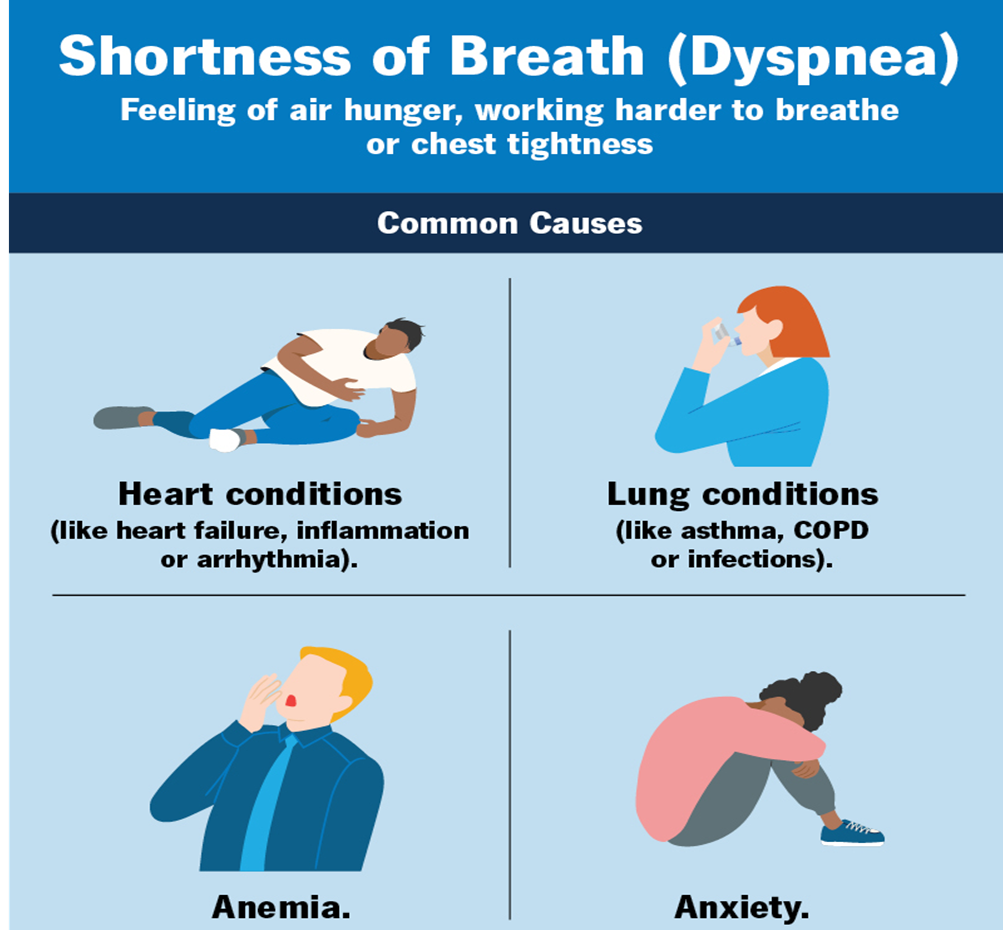
Dyspnea: Dyspnea, or difficulty breathing, is a serious adverse effect that should be reported immediately. Terbutaline can cause pulmonary edema, a condition where fluid accumulates in the lungs, leading to severe breathing difficulties. This side effect is critical and requires prompt medical attention to prevent further complications.
Choice B reason:
Headaches: While headaches are a common side effect of terbutaline, they are generally not considered severe enough to require immediate reporting unless they are persistent or unusually intense. Headaches can be managed with over-the-counter pain relief and do not typically indicate a serious problem.
Choice C reason:
Nervousness: Nervousness is another common side effect of terbutaline. It is usually mild and does not require immediate medical intervention. However, if the nervousness is severe or accompanied by other symptoms, it should be discussed with a healthcare provider.
Choice D reason:
Tremors: Tremors are a known side effect of terbutaline and are usually not severe. They occur due to the medication’s action on the nervous system. While they can be bothersome, they are not typically dangerous and do not require urgent reporting unless they are severe or persistent.
Whether you are a student looking to ace your exams or a practicing nurse seeking to enhance your expertise , our nursing education contents will empower you with the confidence and competence to make a difference in the lives of patients and become a respected leader in the healthcare field.
Visit Naxlex, invest in your future and unlock endless possibilities with our unparalleled nursing education contents today