
A preschool-aged child who is being tested for Streptococcal pharyngitis returns to the clinic for signs of scarlet fever. Which assessment finding
provides the clearest indication to the nurse that the child is experiencing a reaction to toxins that are created by Streptococcal bacteria?
Flushed, peeling skin
Red bumps across chest
White coating on tongue
High, protracted fever
The Correct Answer is B
Choice A reason: Flushed, peeling skin is not a specific finding for scarlet fever. Flushed, peeling skin can be caused by various factors, such as sunburn, dehydration, allergic reaction, or infection. Scarlet fever is a condition that results from a Streptococcal infection in the throat or skin that produces toxins that cause a rash and fever. The rash usually begins on the neck and chest and then spreads to other parts of the body.
Choice B reason: This is the correct answer because red bumps across chest are a characteristic finding for scarlet fever. Red bumps across chest are part of the rash that develops due to toxins produced by Streptococcal bacteria. The rash usually feels like sandpaper and may be accompanied by itching or burning sensations. The rash typically lasts for about a week and then fades, leaving behind peeling skin.
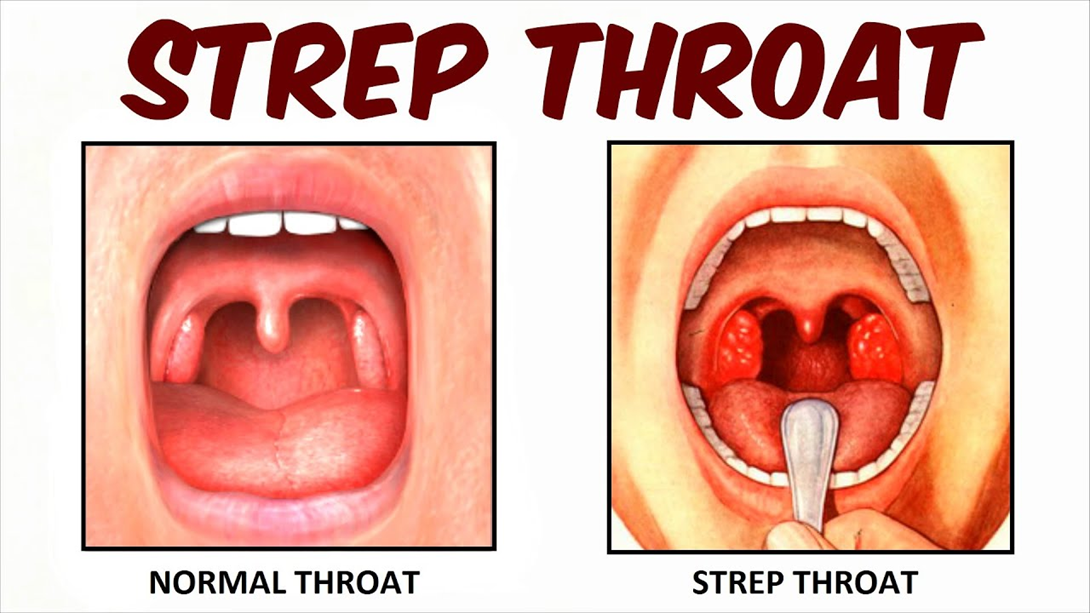
Choice C reason: White coating on tongue is not a clear indication for scarlet fever. White coating on tongue can be caused by various factors, such as dehydration, poor oral hygiene, fungal infection, or inflammation. Scarlet fever may cause white patches or red spots on the tongue, but this is not a distinctive feature of scarlet fever.
Choice D reason: High, protracted fever is not a unique finding for scarlet fever. High, protracted fever can be caused by various factors, such as infection, inflammation, dehydration, or immunological disorder. Scarlet fever may cause high fever (above 101°F or 38.3°C), but this is not a definitive sign of scarlet fever.
Nursing Test Bank
Naxlex Comprehensive Predictor Exams
Related Questions
Correct Answer is C
Explanation
Choice A reason: Securing chest tube to the stretcher for transport is not the most important action for the nurse to take. Chest tube is a device that drains air or fluid from the pleural space or mediastinum after surgery or trauma. Securing chest tube to the stretcher can prevent accidental dislodgement or kinking of the tube during transport, but it is not as crucial as maintaining proper drainage.
Choice B reason: Marking the amount of chest drainage on the container is not the most important action for the nurse to take. Chest drainage is the fluid or air that collects in the chest tube container after being drained from the pleural space or mediastinum. Marking the amount of chest drainage on the container can help monitor fluid balance and detect excessive bleeding or leakage, but it is not as vital as ensuring proper drainage.
Choice C reason: This is the correct answer because keeping chest tube container below the site of insertion is the most important action for the nurse to take. Chest tube container is a device that collects air or fluid from the chest tube and maintains negative pressure in the pleural space or mediastinum. Keeping chest tube container below the site of insertion can prevent backflow of air or fluid into the chest cavity and maintain adequate drainage. If the chest tube container is raised above the site of insertion, it can cause tension pneumothorax, which is a life-threatening condition that occurs when air accumulates in the pleural space and compresses the lung and heart.
Choice D reason: Administering PRN pain medication prior to transport is not a timely action for the nurse to take. Pain medication is a drug that relieves pain by blocking pain signals or reducing inflammation. Administering pain medication prior to transport can improve comfort and reduce anxiety for the client, but it is not as urgent as preventing complications.
Correct Answer is D
Explanation
Choice A reason: Administering a half dose now is not a safe instruction for the nurse to provide, as this can result in overdosing or underdosing the infant, depending on how much of the medicine was absorbed or expelled. This is a contraindicated choice.
Choice B reason: Giving another dose is not a prudent instruction for the nurse to provide, as this can cause digoxin toxicity, which can be life-threatening for the infant. This is another contraindicated choice.
Choice C reason: Mixing the next dose with food is not a relevant instruction for the nurse to provide, as this does not address the current situation and can affect the absorption and effectiveness of digoxin. This is a distractor choice.
Choice D reason: Withholding this dose is a sensible instruction for the nurse to provide, as this can prevent adverse effects and allow the infant's serum digoxin level to be checked before giving another dose. Therefore, this is the correct choice.
Whether you are a student looking to ace your exams or a practicing nurse seeking to enhance your expertise , our nursing education contents will empower you with the confidence and competence to make a difference in the lives of patients and become a respected leader in the healthcare field.
Visit Naxlex, invest in your future and unlock endless possibilities with our unparalleled nursing education contents today