
Patient education for the patient started on a selective serotonin reuptake inhibitor would include:
The avoidance of tyramine-containing foods.
That sexual dysfunction is one of the most common adverse effects.
The signs and symptoms of hypertension.
That tremors are a common adverse effect.
The Correct Answer is B
A. Avoiding tyramine-containing foods is relevant for patients taking MAOIs, not SSRIs.
B. Sexual dysfunction, including decreased libido and difficulty achieving orgasm, is one of the most common adverse effects of SSRIs and should be discussed during patient education.
C. Signs and symptoms of hypertension are not directly related to SSRIs; they may occur with other medications or conditions.
D. Tremors are not as common with SSRIs compared to other classes of antidepressants such as tricyclic antidepressants.
Nursing Test Bank
Naxlex Comprehensive Predictor Exams
Related Questions
Correct Answer is B
Explanation
A. Multiple sclerosis is a chronic autoimmune disease affecting the central nervous system, not caused by statins or involving muscle inflammation.
B. Rhabdomyolysis is the breakdown of muscle tissue that leads to the release of muscle fiber contents into the bloodstream. It can be caused by statin medications among other factors.
C. Dystonia is a movement disorder characterized by involuntary muscle contractions, unrelated to muscle breakdown.
D. Spasticity is a condition where certain muscles are continuously contracted, causing stiffness or tightness of the muscles, also unrelated to muscle breakdown.
Correct Answer is B
Explanation
A. Hearing loss is not a common adverse effect of phenelzine (Nardil).
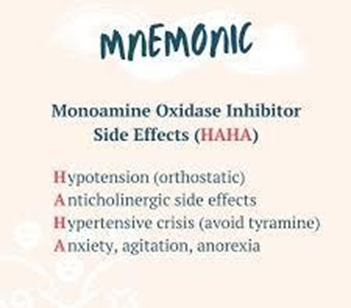
B. Orthostatic hypotension is a common adverse effect of phenelzine due to its monoamine oxidase inhibitor (MAOI) activity, leading to decreased blood pressure upon standing.
C. Weight loss is not a common adverse effect of phenelzine and may be more indicative of other factors or conditions.
D. Gastrointestinal bleeding is not a common adverse effect of phenelzine.
Whether you are a student looking to ace your exams or a practicing nurse seeking to enhance your expertise , our nursing education contents will empower you with the confidence and competence to make a difference in the lives of patients and become a respected leader in the healthcare field.
Visit Naxlex, invest in your future and unlock endless possibilities with our unparalleled nursing education contents today