
The client is a 7-year-old with spastic cerebral palsy (CP) admitted to pre-op for heel cord lengthening. Child has cognitive and speech delays. Experiences absent seizures numerous times daily according to parent. The nurse is developing the plan of care for the child.
To provide atraumatic care for this child post-operatively, what will be a priority?
Pain assessments
Antibiotics
Occupational therapy
Wound care
Physical therapy
The Correct Answer is A
Assessing and managing pain is a crucial aspect of providing atraumatic care for any post-operative patient, including a child with spastic cerebral palsy. It is important to monitor and assess the child's pain levels regularly to ensure their comfort and
well-being. Pain can be particularly challenging to assess in a child with cognitive and speech delays, so the nurse should use appropriate pain assessment tools and also consider nonverbal cues, changes in behavior, and physiological indicators of pain.
While antibiotics may be prescribed if there is an infection present, it is not mentioned as a priority in this specific scenario. The focus is on providing atraumatic care post-operatively.
Occupational therapy, physical therapy, and wound care are all important components of the child's overall care, but they may not be the immediate priority post-operatively. The child's specific needs and surgical procedure will determine when these interventions are appropriate and can be incorporated into the plan of care as needed. However, addressing pain is of utmost importance in the immediate post-operative period.
Nursing Test Bank
Naxlex Comprehensive Predictor Exams
Related Questions
Correct Answer is D
Explanation
NPO status is crucial before a surgical procedure, especially when anesthesia will be administered. It helps prevent complications related to aspiration of gastric contents during the procedure. Failure to adhere to the NPO status can lead to serious respiratory problems, such as aspiration pneumonia.
It is important for the nurse to confirm the NPO status with the client to ensure that they have followed the appropriate fasting guidelines. This should be done to ensure the client's safety during the surgery.
While determining when the client last had pain medication, offering assistance to the restroom, and reviewing postoperative instructions are important aspects of preoperative care, confirming NPO status is the most critical nursing action in this particular scenario.
Correct Answer is D
Explanation
A) Incorrect- Observing for swelling at the fracture site is important for assessing the client's musculoskeletal condition, but it is not the priority intervention in this situation. The absence of spontaneous respirations and palpable carotid pulse indicates cardiac arrest, and immediate intervention is needed.
B) Incorrect- Analyzing the cardiac rhythm in another lead is not the first priority when the client is in cardiac arrest. Cardiopulmonary resuscitation (CPR) should be initiated immediately to restore circulation.
C) Incorrect- Obtaining a 12-lead electrocardiogram is not the initial intervention in a client in cardiac arrest. CPR and defibrillation (if indicated) are the immediate actions to provide circulation and oxygenation to the vital organs.
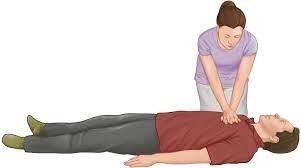
D) Correct- The absence of spontaneous respirations and palpable carotid pulse indicates cardiac arrest. In this situation, immediate initiation of cardiopulmonary resuscitation (CPR) is critical to provide circulation and oxygenation to the vital organs. Chest compressions are the initial step to address cardiac arrest and ensure blood flow to the body.
Whether you are a student looking to ace your exams or a practicing nurse seeking to enhance your expertise , our nursing education contents will empower you with the confidence and competence to make a difference in the lives of patients and become a respected leader in the healthcare field.
Visit Naxlex, invest in your future and unlock endless possibilities with our unparalleled nursing education contents today