
The nurse develops a plan of care for a child at risk for tonic-clonic seizures. In the plan of care, the nurse identifies seizure precautions and documents that which of the item(s) need to be placed at the child bedside?
Tracheotomy set
Emergency cart
Padded tongue blade
Suctioning equipment and oxygen
The Correct Answer is D
D. Suctioning equipment and oxygen are essential items to have at the bedside for seizure precautions. Seizures can sometimes be associated with airway compromise, excessive secretions, or respiratory distress. Having suctioning equipment readily available allows for prompt removal of oral or airway secretions if necessary. Oxygen may be needed to support oxygenation during or after a seizure, especially if there are concerns about respiratory depression or hypoxemia.
A. A tracheotomy set is not typically needed at the bedside for seizure precautions. Tracheotomy sets are used in emergency situations to establish a surgical airway if there is a severe airway obstruction or respiratory distress.
B. An emergency cart contains essential supplies and medications needed for emergency situations, including resuscitation equipment, medications, and supplies for managing various medical emergencies. However, the cart is not placed bedside.
C. A padded tongue blade is not typically needed at the bedside for seizure precautions. Tongue blades are sometimes used during airway management to help visualize and manipulate the tongue, but padded tongue blades are not routinely included in seizure precautions.
Nursing Test Bank
Naxlex Comprehensive Predictor Exams
Related Questions
Correct Answer is A
Explanation
A. Nausea and vomiting are potential adverse effects of digoxin in children. Digoxin is a medication commonly used to treat heart conditions, but it can cause gastrointestinal disturbances as a side effect. Nausea and vomiting may occur, especially if the child is receiving too high a dose of digoxin or if they are particularly sensitive to the medication.
B. Improved appetite would not typically indicate an adverse effect of digoxin. In fact, digoxin is not known to have a direct effect on appetite. If a child experienced an increase in appetite while taking digoxin, it would likely be unrelated to the medication or could be due to other factors.
C. Increased urine output would not typically indicate an adverse effect of digoxin. Digoxin is not a diuretic medication, so it would not directly cause increased urine output.
D. Digoxin is not commonly associated with bradycardia in children.
Correct Answer is ["A","D"]
Explanation
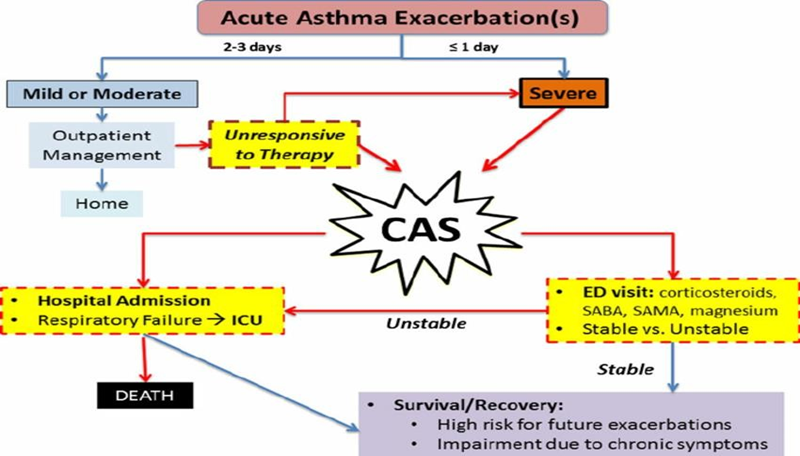
A. Corticosteroids help reduce airway inflammation during an asthma exacerbation, which can help improve breathing and reduce symptoms.
D. Bronchodilator medications, such as albuterol, help relax the muscles around the airways, making it easier to breathe during an asthma exacerbation. They are typically used as rescue medications to provide immediate relief of asthma symptoms.
B. Placing the client in a supine position (lying flat on their back) is not recommended during an asthma exacerbation. This position can make breathing more difficult for someone experiencing respiratory distress.
C. Vigorous physical activity can exacerbate asthma symptoms and trigger an asthma attack. During an asthma exacerbation, it's important to encourage the client to rest and avoid strenuous activities that could worsen their breathing difficulties.
E. Cold compresses are not recommended for asthma exacerbations. Warm, moist air may help loosen mucus and ease breathing, but cold compresses could potentially exacerbate symptoms or discomfort.
Whether you are a student looking to ace your exams or a practicing nurse seeking to enhance your expertise , our nursing education contents will empower you with the confidence and competence to make a difference in the lives of patients and become a respected leader in the healthcare field.
Visit Naxlex, invest in your future and unlock endless possibilities with our unparalleled nursing education contents today