
The nurse explained how to position an infant with tetralogy of Fallot if the infant suddenly becomes cyanotic. Which statement by the father leads the nurse to determine he understood the instructions?
"If the baby turns blue, I will immediately put the baby upright in an infant seat."
"If the baby turns blue, I will lay him down on a firm surface with his head lower than the rest of his body."
"If the baby turns blue, I will put the baby in supine position with his head elevated."
"If the baby turns blue, I will hold him against my shoulder with his knees bent up toward his chest."
The Correct Answer is D
This position, often referred to as the "knee-to-chest" position, is recommended during a cyanotic spell in infants with tetralogy of Fallot because it can help increase venous return to the heart and improve oxygenation. It's important for caregivers to understand this positioning as part of the management for hypercyanotic spells in children with this condition.
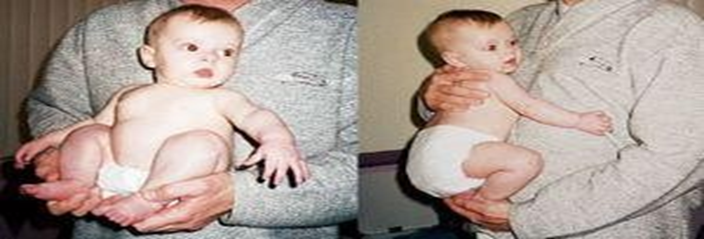
A. Placing the baby upright in an infant seat may help improve blood flow and oxygenation, but it's not the recommended position for managing cyanosis in a baby with tetralogy of Fallot.
B. Placing the baby with the head lower than the rest of the body could potentially worsen cyanosis by increasing right-to-left shunting of blood and decreasing pulmonary blood flow.
C. Placing the baby in a supine position with the head elevated worsens pulmonary blood flow by increasing systemic vascular resistance. This position can help worsen cyanosis by promoting better oxygenation.
Nursing Test Bank
Naxlex Comprehensive Predictor Exams
Related Questions
Correct Answer is ["3.1"]
Explanation
1kg = 2.205lbs Weight in kgs= 9.979
Desired dose= 10mg/kg Dose= 99.79mg
Volume= desired dose/ available concentration per ml Volume= 99.79mg/ 32
Volume= 3.12mls
Therefore, the nurse should administer 3.1mls
Correct Answer is C
Explanation
C. Muscle weakness and lack of coordination contribute to difficulties with balance and coordination, leading to frequent falls and clumsiness in children with DMD.
A. DMD typically presents with symptoms such as difficulty climbing stairs, a waddling gait, and calf muscle hypertrophy, rather than atrophy.
B. Delayed fine-motor development is not a typical manifestation of Duchenne muscular dystrophy. DMD primarily affects muscle strength and function rather than fine motor skills.
D. Ambulating by holding onto furniture is not typical in Duchenne muscular dystrophy. As the disease progresses, children with DMD typically experience difficulty walking and may eventually require the use of assistive devices such as wheelchairs or orthoses for mobility.
Whether you are a student looking to ace your exams or a practicing nurse seeking to enhance your expertise , our nursing education contents will empower you with the confidence and competence to make a difference in the lives of patients and become a respected leader in the healthcare field.
Visit Naxlex, invest in your future and unlock endless possibilities with our unparalleled nursing education contents today