
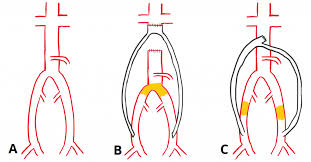
The nurse is caring for a client who is two days post-aortic-iliac bypass surgery. Which assessment finding should be reported to the surgeon immediately?
Blood pressure of 98/60.
Urine output of 40 mL/hour.
Pain rated as 5 on a 0-10 scale.
Absence of popliteal pulse.
The Correct Answer is D
Choice A Reason:
A blood pressure of 98/60, while on the lower side, is not necessarily alarming post-surgery unless the patient shows symptoms of hypotension or if there is a significant drop from the patient's baseline blood pressure. It is important to monitor trends in blood pressure readings rather than a single isolated measurement.
Choice B Reason:
A urine output of 40 mL/hour can be considered within normal limits post-surgery, as the expected urine output is at least 0.5 mL/kg/hr. However, it should be monitored closely to ensure that it does not decrease further, which could indicate renal complications.
Choice C Reason:
Pain rated as 5 on a 0-10 scale indicates moderate pain, which is expected post-surgery. Pain management should be continued as prescribed, and the patient should be reassessed regularly to ensure that the pain does not escalate.
Choice D Reason:
The absence of a popliteal pulse is a critical finding that must be reported immediately. The popliteal artery provides blood flow to the lower leg, and its absence could indicate graft occlusion or other serious circulatory issues, which could lead to limb-threatening complications if not addressed promptly.
Nursing Test Bank
Naxlex Comprehensive Predictor Exams
Related Questions
Correct Answer is C
Explanation
Choice A Reason
Urine negative for ketones is a normal finding and does not typically indicate an acute problem. Ketones in the urine can be a sign of uncontrolled diabetes or starvation, but their absence is expected in a well-nourished individual who is not in a state of diabetic ketoacidosis.
Choice B Reason
Sodium at 135 mg/dL and Potassium at 3.5 mEq/L are within normal ranges. The normal range for serum sodium is approximately 135-145 mEq/L, and for serum potassium, it is around 3.5-5.0 mEq/L. These values do not indicate an immediate concern for the patient with urosepsis.
Choice C Reason
A BUN of 34 mg/dL and Creatinine of 4.2 mg/dL are concerning. The normal range for BUN is approximately 6-20 mg/dL, and for Creatinine, it is about 0.6-1.2 mg/dL for males and 0.5-1.1 mg/dL for females. Elevated levels of BUN and Creatinine indicate impaired kidney function, which can be a complication of urosepsis and the nephrotoxic effects of gentamicin and vancomycin.
Choice D Reason
A white blood cell count of 12,000/mm³ is slightly elevated, which may be expected in a patient with an infection such as urosepsis. The normal range is approximately 4,500-11,000 WBCs/mm³. While this should be monitored, it does not require immediate reporting unless there is a significant change or it is outside the patient's baseline.
Correct Answer is A
Explanation
Choice A Reason:
Smoking, hypertension, obesity, diabetes, and hyperlipidemia are all well-established risk factors for heart disease. Smoking damages the lining of the arteries, leading to a buildup of fatty material which narrows the artery. Hypertension can cause hardening and thickening of the arteries, which can lead to a heart attack or stroke. Obesity increases the likelihood of high blood pressure, high cholesterol levels, and diabetes, all of which are risk factors for heart disease. Diabetes increases the risk of heart disease significantly, as high blood sugar levels can damage blood vessels and the nerves that control the heart. Hyperlipidemia, particularly high levels of LDL cholesterol, can lead to plaque buildup in the arteries, increasing the risk of heart attack or stroke.
Choice B Reason:
Family history is a non-modifiable risk factor for heart disease, as genetics can play a role in an individual's likelihood of developing heart conditions. Stress can contribute to heart disease risk factors such as hypertension and is associated with other unhealthy behaviors. Hypertension and age are both significant risk factors; the risk of heart disease increases with age and with sustained high blood pressure.
Choice C Reason:
Alcohol consumption in excess can lead to high blood pressure, heart failure, or stroke. Obesity, diabetes, and stress are all risk factors as previously mentioned. Hyperlipidemia is also a modifiable risk factor that can be managed through diet, exercise, and medication.
Choice D Reason:
Personality type itself is not a direct risk factor for heart disease, but certain personality traits can lead to stress, which is a risk factor. Hyperlipidemia, diabetes, and smoking are all direct risk factors for heart disease as they contribute to the development of cardiovascular conditions.
Whether you are a student looking to ace your exams or a practicing nurse seeking to enhance your expertise , our nursing education contents will empower you with the confidence and competence to make a difference in the lives of patients and become a respected leader in the healthcare field.
Visit Naxlex, invest in your future and unlock endless possibilities with our unparalleled nursing education contents today