
The nurse is caring for a client with a chest tube. Which is the following statements is appropriate regarding a chest tube?
The chest tube drainage system should be placed on the bedside table.
The chest tube drainage system should be placed on the bed near the patient.
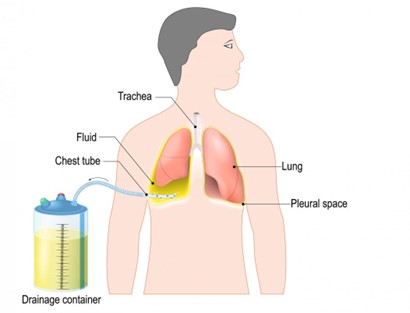
The chest tube drainage system must be placed below the site of insertion.
The chest tube drainage system should be placed on the siderail near the patient.
The Correct Answer is C
: Chest tube placement is done to remove air or fluid from the pleural space, which is the area between the lungs and the chest wall. The chest tube drainage system is an important tool to monitor and manage the drainage from the chest tube.
It is essential that the chest tube drainage system is placed below the level of the patient's chest and the site of insertion. This is necessary to create a continuous drainage system by allowing gravity to assist in the flow of air or fluid out of the pleural space. If the chest tube drainage system is placed above the insertion site, the fluid will not drain properly, which can cause the fluid to back up into the patient's chest cavity, leading to complications such as pneumothorax or hemothorax.
Therefore, the appropriate statement regarding a chest tube is that the chest tube drainage system must be placed below the site of insertion.
Nursing Test Bank
Naxlex Comprehensive Predictor Exams
Related Questions
Correct Answer is A
Explanation
Difficulty breathing is a sign of a potential transfusion reaction. When a client reports difficulty breathing during a blood transfusion, the nurse should stop the transfusion immediately to prevent the reaction from worsening. Once the transfusion is stopped, the nurse can then assess the client's vital signs and notify the healthcare provider of the client's response. Documentation of the findings should also be completed after the client's condition has stabilized. However, stopping the transfusion takes priority over documenting the findings.

Correct Answer is A
Explanation
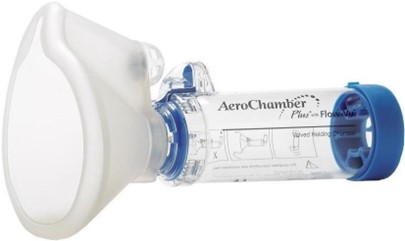
Before pumping the medication into the chamber, you should educate the patient to exhale. This means that the patient should breathe out fully before using the inhaler. This helps to empty the lungs of air and create more space for the medication to be inhaled.
Whether you are a student looking to ace your exams or a practicing nurse seeking to enhance your expertise , our nursing education contents will empower you with the confidence and competence to make a difference in the lives of patients and become a respected leader in the healthcare field.
Visit Naxlex, invest in your future and unlock endless possibilities with our unparalleled nursing education contents today