
The nurse is collecting data on a patient with minor chronic venous disease. What findings are anticipated?
Purple lesions
Ankle edema
Telangiectasias
Palpable nodules
The Correct Answer is B
Choice A reason: Purple lesions could be associated with more severe venous disease or other conditions, not necessarily minor chronic venous disease.
Choice B reason: Ankle edema is a common finding in chronic venous disease due to the pooling of blood in the lower extremities.
Choice C reason: Telangiectasias, also known as spider veins, are commonly seen in chronic venous disease as they are small, visible blood vessels that can be part of the condition.
Choice D reason: Palpable nodules are not typically associated with minor chronic venous disease and could indicate other medical issues.
Nursing Test Bank
Naxlex Comprehensive Predictor Exams
Related Questions
Correct Answer is D
Explanation
Choice A reason: A sodium level of 138 milliequivalents per liter is within the normal range and does not indicate metastasis.
Choice B reason: A hemoglobin level of 10.5 grams per deciliter is slightly low but does not specifically indicate metastasis.
Choice C reason: A potassium level of 3.4 milliequivalents per liter is within the normal range and does not indicate metastasis.
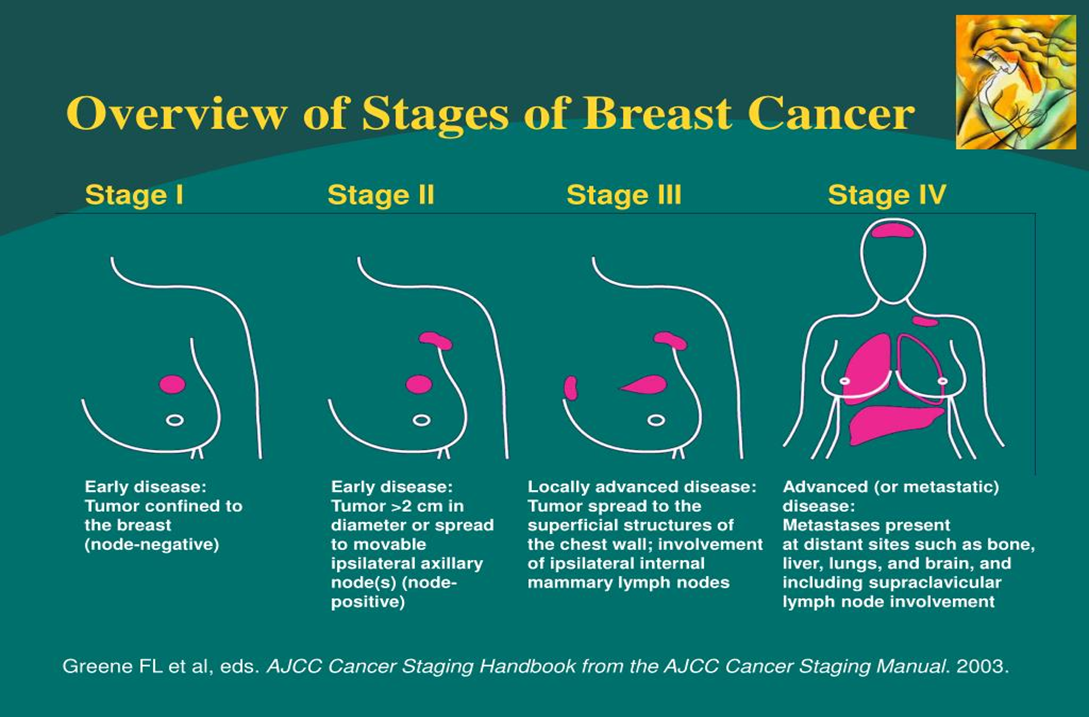
Choice D reason: A calcium level of 12.5 milligrams per deciliter is elevated, which may indicate metastasis to the bones, a common site for breast cancer metastasis.
Correct Answer is D
Explanation
Choice A reason: Getting plenty of outdoor exercise all year is beneficial for overall health but does not specifically prevent Raynaud's attacks, especially in cold weather.
Choice B reason: Keeping affected body areas covered, especially in cold weather, helps prevent Raynaud's attacks by maintaining warmth.
Choice C reason: Taking vasopressors is not a measure to prevent Raynaud's attacks; vasopressors could potentially worsen the condition by causing further vasoconstriction.
Choice D reason: Avoiding stimulation that causes vasoconstriction, such as stress and cold temperatures, is key to preventing Raynaud's attacks.
Whether you are a student looking to ace your exams or a practicing nurse seeking to enhance your expertise , our nursing education contents will empower you with the confidence and competence to make a difference in the lives of patients and become a respected leader in the healthcare field.
Visit Naxlex, invest in your future and unlock endless possibilities with our unparalleled nursing education contents today