
The nurse is conducting diet teaching for the family of an older client who has a small reddened area on the coccyx. Based on this finding, which diet should the nurse encourage for this client?
High protein.
High roughage.
Low cholesterol.
Low salt.
The Correct Answer is A
Choice A
High protein should be encouraged. The small reddened area on the coccyx is concerning for a potential pressure ulcer (also known as a pressure sore or bed sore). Pressure ulcers can occur when there is prolonged pressure on a specific area of the skin, often in individuals who are bedridden or have limited mobility. Adequate nutrition, including a high protein diet, is essential for preventing and promoting the healing of pressure ulcers. Protein is crucial for tissue repair and wound healing. A diet high in protein can aid in the recovery of damaged skin and promote the healing process. It helps to maintain and rebuild skin tissue, which is particularly important when dealing with potential pressure ulcers.
Choice B
High roughage should not be encouraged. While dietary fibre (roughage) is important for overall bowel health and regularity, it may not have a direct impact on wound healing in this context.
Choice C
Low cholesterol should not be encouraged. A low cholesterol diet is typically recommended to manage cardiovascular health and reduce the risk of heart disease. While overall health is important, cholesterol levels may not have a direct impact on wound healing in this case.
Choice D
Low salt should not be encouraged. A low salt diet is often recommended for individuals with certain medical conditions, such as hypertension or heart failure. While maintaining a balanced diet is important, salt intake may not be the primary concern when addressing wound healing.
Nursing Test Bank
Naxlex Comprehensive Predictor Exams
Related Questions
Correct Answer is D
Explanation
Choice A
Cutting the spaghetti and meatballs into small pieces is inappropriate. This choice is not directly related to the risk of infection. It might be helpful for a client who has difficulty swallowing or chewing, but it doesn't address the compromised immune system and infection risk.
Choice B
Exchanging pasteurized whole milk with skim milk is inappropriate. The type of milk doesn't have a direct impact on infection risk. Both pasteurized whole milk and skim milk are considered safe for consumption. This choice doesn't address the specific concern of infection in a client with a low ANC.
Choice C
Substituting fried potatoes with a garden salad is inappropriate. While choosing healthier food options can be beneficial for overall health, the choice between fried potatoes and a garden salad doesn't necessarily impact the infection risk for a client with a low ANC. This choice also doesn't address the specific concern of infection in this context.
Choice D
Remove the fresh grapes from the meal tray is appropriate. The reason for this choice is that a client with an absolute neutrophil count (ANC) of 400 has a significantly compromised immune system, and they are at a high risk of infection due to their low neutrophil count. Neutrophils are a type of white blood cell that plays a crucial role in fighting off infections. A normal ANC falls within the range of 2500 to 8000 mm3 or cells/uL.
Fresh grapes, being a raw and uncooked food item, may carry a higher risk of containing bacteria or pathogens that could pose a threat to a client with such a low ANC. The nurse needs to ensure that the client's exposure to potential sources of infection is minimized.
Correct Answer is A
Explanation
Choice A
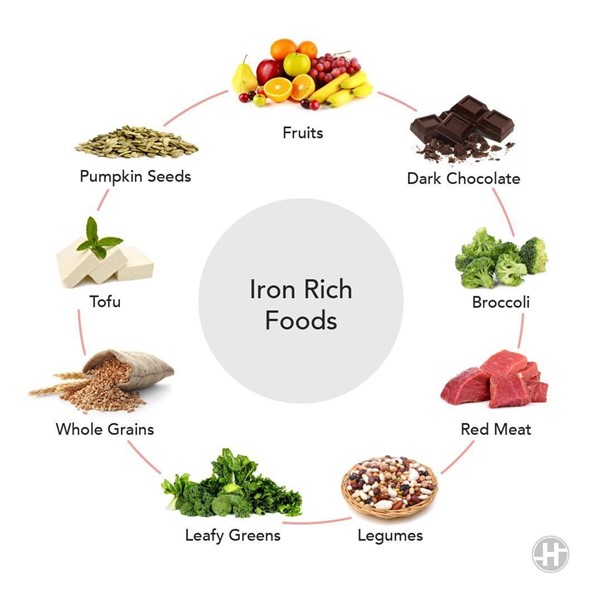
Broccoli is appropriate recommendation. Given the client's history of iron deficiency anaemia and the current haemoglobin level below the reference range, it's important to recommend foods that are good sources of iron. Among the options provided, broccoli is the most suitable choice. Iron from plant-based sources (non-heme iron) might be less easily absorbed than iron from animal sources (heme iron), but combining them with foods high in vitamin C can enhance iron absorption. Broccoli is a vegetable that contains both iron and vitamin C, making it a favourable choice to support the client's iron intake and help address the anaemia.
Choice B
Carrots are inappropriate. While carrots are a nutritious vegetable, they are not particularly high in iron.
Choice C
Cheddar cheese is inappropriate. Dairy products like cheddar cheese are not significant sources of iron.
Choice D
Whole milk is inappropriate. Whole milk is not a significant source of iron either. Additionally, calcium in milk might hinder iron absorption if consumed together.
Whether you are a student looking to ace your exams or a practicing nurse seeking to enhance your expertise , our nursing education contents will empower you with the confidence and competence to make a difference in the lives of patients and become a respected leader in the healthcare field.
Visit Naxlex, invest in your future and unlock endless possibilities with our unparalleled nursing education contents today