
The nurse is monitoring a client who is 3 hours postpartum. On assessment, the nurse notes a temperature of 102.4°F.
Which action should the nurse prioritize?
Continue to monitor for another hour.
Administer an antipyretic.
Assist the client in ambulation.
Notify the RN; she will notify the provider.
The Correct Answer is D
A postpartum fever is defined as a temperature greater than 100.4 degrees F (38.0 degrees C) on at least two occasions.
These fevers cannot be ignored as they can represent serious infections. The first task is to identify the source.
Choice A is not correct because continuing to monitor for another hour may delay necessary treatment.
Choice B is not correct because administering an antipyretic may only treat the symptom and not address the underlying cause of the fever.
Choice C is not correct because assisting the client in ambulation does not address the underlying cause of the fever.
Nursing Test Bank
Naxlex Comprehensive Predictor Exams
Related Questions
Correct Answer is B
Explanation
The nurse should include in their teaching that the client should increase their folic acid intake during pregnancy.

Choice A is incorrect because a pregnant woman at 8 weeks of gestation does not need to increase her daily calorie intake by 750 calories.
Choice C is incorrect because a pregnant woman should not limit her iron intake during her first trimester.
Choice D is incorrect because a pregnant woman should not stop taking her prenatal vitamin if she experiences nausea.
Correct Answer is A
Explanation
Allowing the child to choose an article or two of clothing that she can wear with the brace can help her feel more confident and in control of her appearance.
This can help her feel better about wearing the brace and improve her overall attitude toward the treatment.
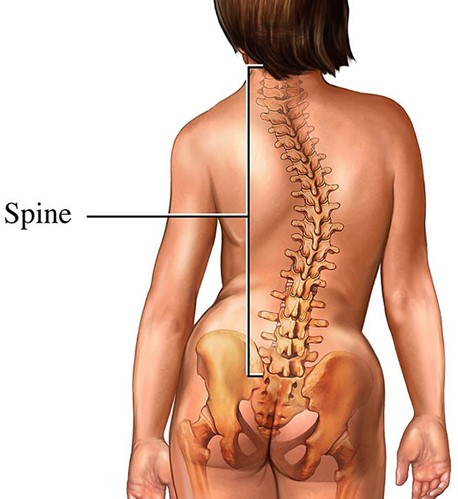
Choice B is not the best answer because it focuses on the long-term benefits of the treatment without addressing the child’s immediate concerns and emotions.
Choice C is not the best answer because it suggests that the child should be left alone to deal with her emotions, which may not be helpful in this situation.
Choice D is not the best answer because it suggests comparing the child’s situation to others who are sicker, which may not be helpful or appropriate.
Whether you are a student looking to ace your exams or a practicing nurse seeking to enhance your expertise , our nursing education contents will empower you with the confidence and competence to make a difference in the lives of patients and become a respected leader in the healthcare field.
Visit Naxlex, invest in your future and unlock endless possibilities with our unparalleled nursing education contents today