
The nurse is percussing a client's abdomen during a physical assessment. The nurse observes an area of dullness above the right costal margin of approximately 11 cm. Which of the following actions should the nurse take?
Recognizes this dullness as indicative of an enlarged liver, and refers the client to a provider
Document the presence of hepatomegaly
Ask additional health history questions regarding alcohol intake
Recognizes this finding as normal, and proceed with the examination
The Correct Answer is A
A. Dullness above the right costal margin could indicate an enlarged liver. Referring the client to a healthcare provider is crucial for further evaluation and diagnosis.
B. Documenting hepatomegaly without further investigation or confirmation by a healthcare provider could be premature.
C. While alcohol intake can be a factor in liver conditions, additional history alone may not confirm the cause of the dullness. Direct evaluation by a healthcare provider is necessary.
D. Finding an area of dullness above the right costal margin, particularly of such magnitude, should prompt further investigation rather than being considered normal.
Nursing Test Bank
Naxlex Comprehensive Predictor Exams
Related Questions
Correct Answer is B
Explanation
A. Measuring the circumference of the ankle is not a specific method for screening DVT.
B. Assessing the calf at its widest point with a tape measure can reveal differences in calf size, which might indicate swelling due to a DVT.
C. Checking the dorsalis pedis pulse assesses peripheral circulation but doesn't specifically screen for DVT.
D. Compressing the dorsalis pedis pulse to check for blood return is part of assessing peripheral circulation but doesn’t directly screen for DVT.
Correct Answer is C
Explanation
A. Plantarflexion and dorsiflexion refer to movements of the foot and are unrelated to the Phalen test.
B. Hyperextension of the wrists with the palmar surfaces touching is not the correct maneuver for the Phalen test.
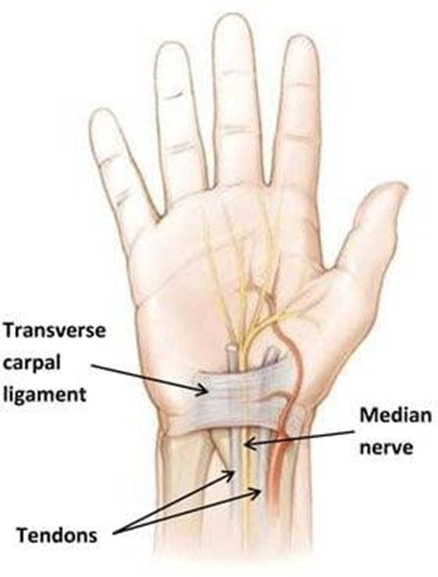
C. The Phalen test involves holding both hands back to back while flexing the wrists at a 90- degree angle for about 60 seconds, which may induce symptoms of carpal tunnel syndrome in those affected.
D. Hyperextending the wrists with the palms together doesn’t simulate the stress on the median nerve in the same way as the Phalen test.
Whether you are a student looking to ace your exams or a practicing nurse seeking to enhance your expertise , our nursing education contents will empower you with the confidence and competence to make a difference in the lives of patients and become a respected leader in the healthcare field.
Visit Naxlex, invest in your future and unlock endless possibilities with our unparalleled nursing education contents today