
The nurse is performing a nutritional assessment. Which of the following would be considered objective data?
Dietary history from patient
Patient complaint of weight loss
Body Mass Index (BMI)
Patient history of alcohol intake
The Correct Answer is C
Objective data are measurable and observable findings that can be obtained through physical examination, laboratory tests, or other diagnostic procedures.
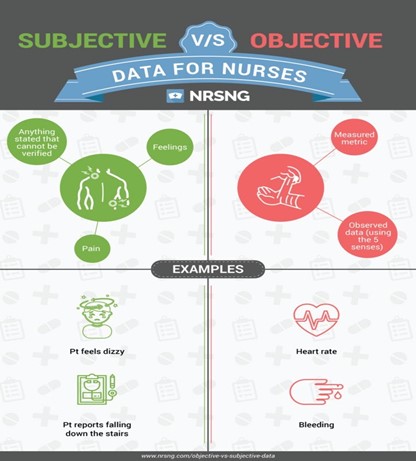
Option A is subjective data because it is information reported by the patient and may not be entirely accurate. Option B is also subjective data because it is the patient's perception of their weight loss, which may not be an accurate reflection of actual weight loss.
Option D is also subjective data because it relies on the patient's self-report of their alcohol intake, which may not be entirely accurate.
Nursing Test Bank
Naxlex Comprehensive Predictor Exams
Related Questions
Correct Answer is D
Explanation
This response demonstrates respect for the client's religious beliefs and a willingness to work with the client to meet their needs. It also opens up a dialogue between the nurse and the client to develop a plan of care that is consistent with the client's beliefs and values.
Option a, "Fasting is harmful to your body," is not an appropriate response as it does not respect the client's religious beliefs and may be perceived as insensitive or disrespectful.
Option b, "You must have food during times of illness," may be accurate in some situations, but it is not relevant to the client's request to fast during Ramadan.
Option c, "I will let your healthcare provider know that you need to be discharged," is not an appropriate response as it does not address the client's request to fast during Ramadan and may be perceived as dismissive or unhelpful.
Correct Answer is ["A","B","C"]
Explanation
Prostate enlargement is not directly assessed through an anal examination.

Whether you are a student looking to ace your exams or a practicing nurse seeking to enhance your expertise , our nursing education contents will empower you with the confidence and competence to make a difference in the lives of patients and become a respected leader in the healthcare field.
Visit Naxlex, invest in your future and unlock endless possibilities with our unparalleled nursing education contents today