
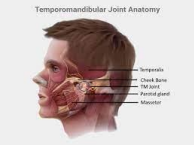
The nurse is performing a physical assessment on the client's mandible and temporal bone. The nurse recognizes that the articulation of the mandible and the temporal bone is called?
Condyle of the mandible
Zygomatic arch of the temporal bone
Temporomandibular joint
Intervertebral foramen
The Correct Answer is C
Choice A rationale: The condyle of the mandible is the rounded process that fits into the TMJ.
Choice B rationale: The zygomatic arch is a bony structure formed by the zygomatic bone and the temporal bone.
Choice C rationale: The articulation of the mandible and the temporal bone is called the temporomandibular joint (TMJ).
Choice D rationale: The intervertebral foramen is an opening between vertebrae through which nerves exit the spinal cord.
Nursing Test Bank
Naxlex Comprehensive Predictor Exams
Related Questions
Correct Answer is B
Explanation
Choice A rationale: The HPV vaccine is recommended for individuals before becoming sexually active but can still provide protection for those who have not yet been exposed to all vaccine-preventable HPV types.
Choice B rationale: The HPV vaccine is not a treatment for existing HPV infections. It is most effective when given before exposure to the virus.
Choice C rationale: While the HPV vaccine is generally recommended for individuals ages 9 to 26, it may still be appropriate for older individuals in certain cases.
Choice D rationale: Checking with the physician is a good approach, but the nurse can provide information on the limitations of the vaccine in treating existing HPV infections.
Correct Answer is B
Explanation
Choice A rationale: The Cowper gland and bulbourethral gland refer to the same structure. This gland is responsible for the secretion described.
Choice B rationale: The prostate gland produces a thin, milky alkaline fluid that helps to neutralize the acidity of the vagina and nourish the sperm.
Choice C rationale: The bulbourethral gland (Cowper's gland) secretes a thin, clear mucus-like fluid that helps neutralize acidic urine remnants in the urethra and enhances the viability of sperm during ejaculation.
Choice D rationale: The median sulcus is a groove on the external surface of the penis and is not involved in the secretion of fluids related to sperm viability.
Whether you are a student looking to ace your exams or a practicing nurse seeking to enhance your expertise , our nursing education contents will empower you with the confidence and competence to make a difference in the lives of patients and become a respected leader in the healthcare field.
Visit Naxlex, invest in your future and unlock endless possibilities with our unparalleled nursing education contents today