
The nurse is performing an assessment of the clients lungs. The nurse recognizes that the left lung:
Consists of two lobes.
Primarily consists of an upper lobe on the posterior chest.
Is shorter than the right lung because of the underlying stomach.
is divided by the horizontal fissure.
The Correct Answer is A
A. Consists of two lobes.
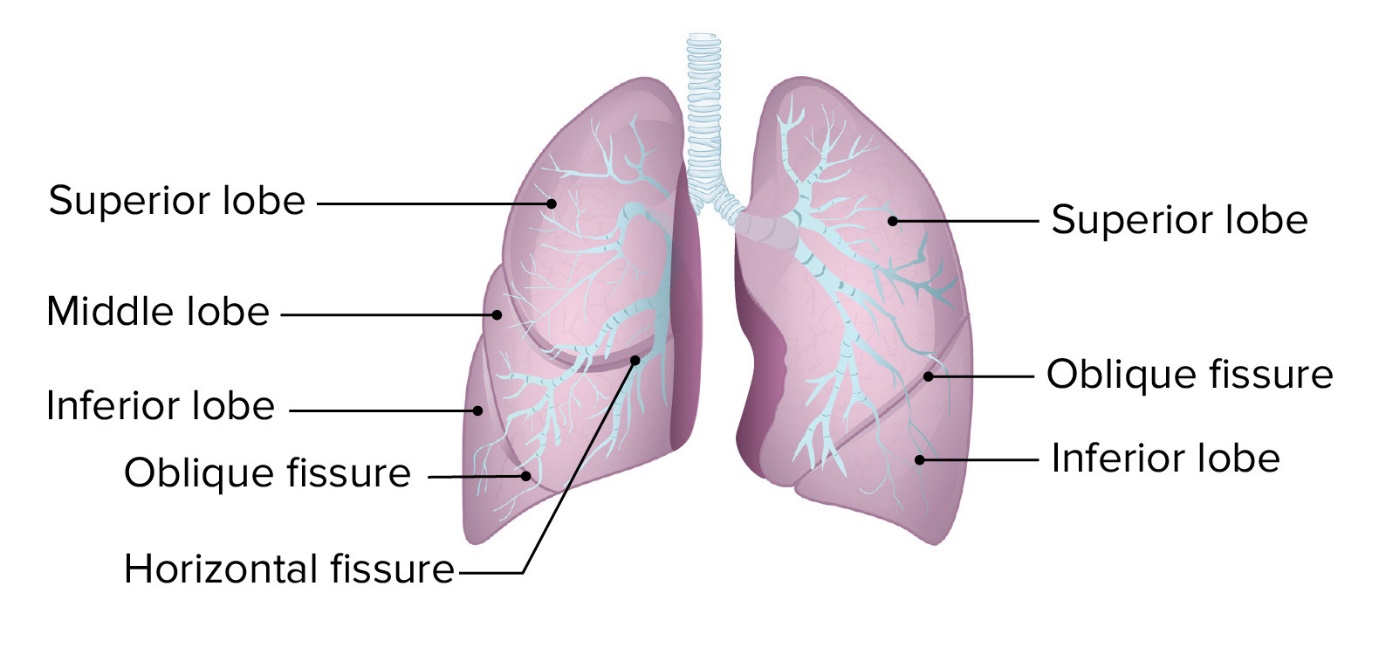
This statement is correct. The left lung consists of two lobes: the upper lobe and the lower lobe. The right lung, not the left lung, has three lobes: upper, middle, and lower lobes.
B. Primarily consists of an upper lobe on the posterior chest.
This statement is not accurate. The upper lobe of the left lung is present in the anterior and posterior parts of the chest. It is not limited to the posterior chest.
C. Is shorter than the right lung because of the underlying stomach.
This statement is not correct. The left lung is not shorter due to the underlying stomach. The left lung is slightly smaller than the right lung to accommodate the space for the heart, but this size difference is not due to the stomach.
D. Is divided by the horizontal fissure.
This statement is not accurate. The left lung is not divided by the horizontal fissure. The horizontal fissure is a feature of the right lung, not the left lung. The left lung is divided by the oblique fissure into the upper and lower lobes
Nursing Test Bank
Naxlex Comprehensive Predictor Exams
Related Questions
Correct Answer is D
Explanation
A. The eyes converge to focus on the light.
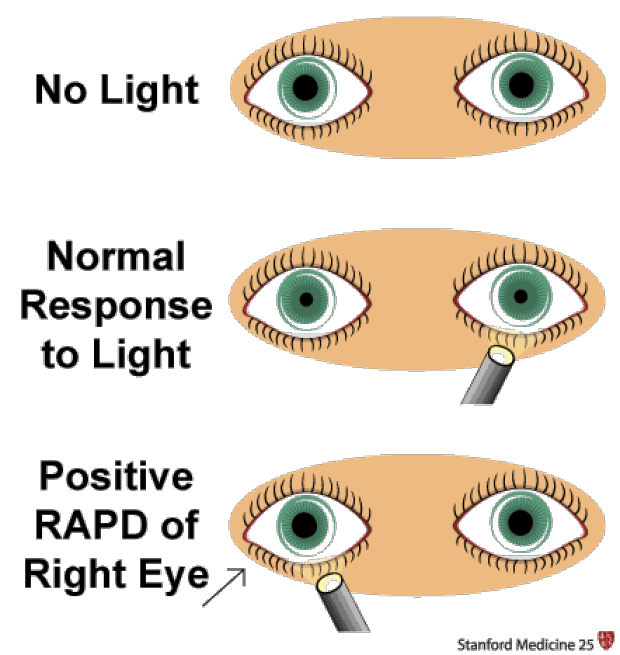
This statement refers to the convergence reflex, where both eyes move medially (towards each other) to maintain single binocular vision when focusing on a near object. It is not related to the pupillary light reflex, which involves changes in pupil size in response to light.
B. The eye focuses the image in the center of the pupil.
This choice does not accurately describe the pupillary light reflex. The pupillary light reflex involves constriction of the pupil in response to light, not focusing an image in the center of the pupil.
C. Dilation of both pupils occurs in response to bright light.
This statement is incorrect. In response to bright light, the pupils should constrict, not dilate. Dilation of pupils in bright light could indicate an abnormal response, such as in cases of certain neurological conditions or drug use.
D. Constriction of both pupils occurs in response to bright light.
This choice is correct. In the pupillary light reflex, both pupils constrict when exposed to bright light. This response is a protective mechanism to prevent excessive light from entering the eyes, ensuring optimal visual acuity.
Correct Answer is A
Explanation
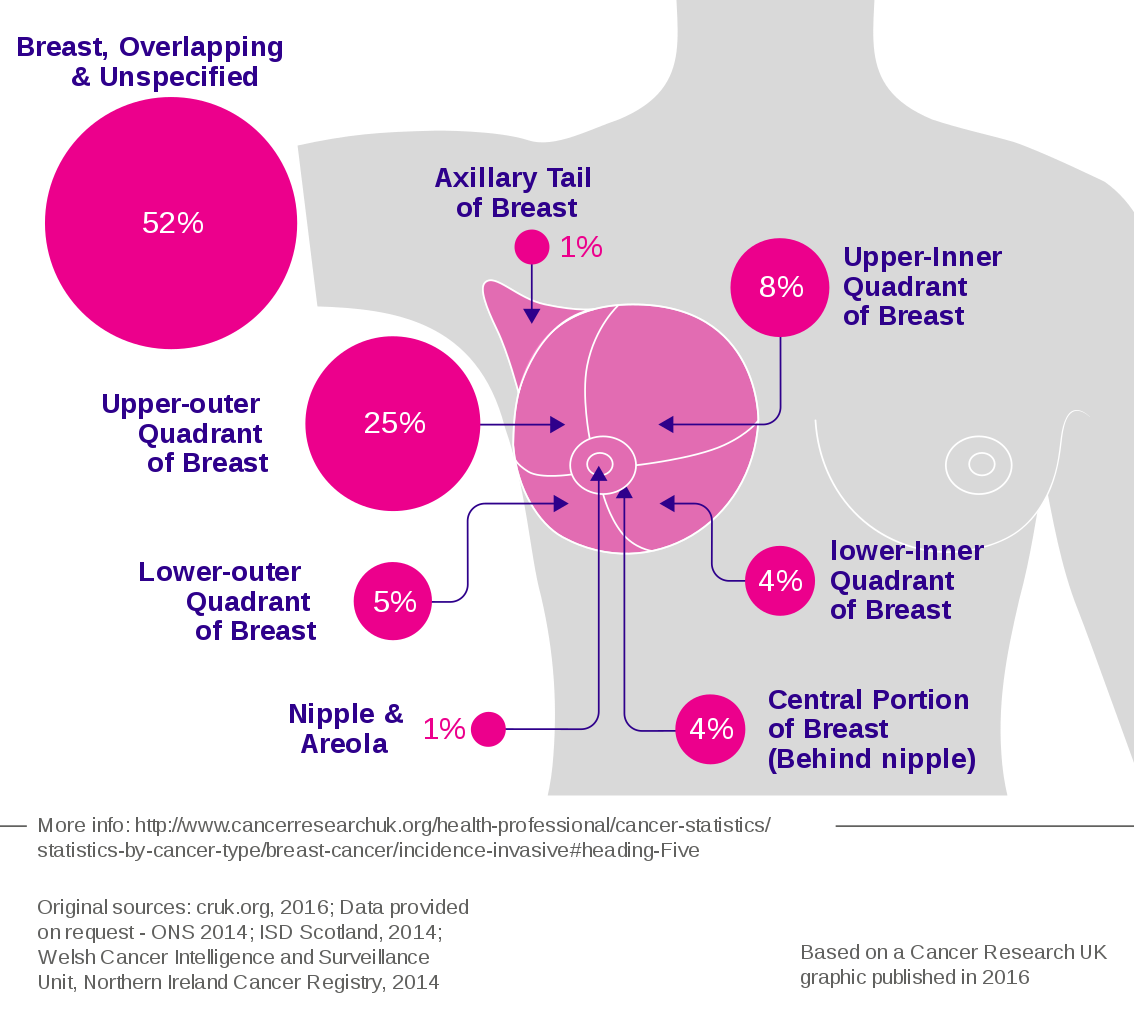
A. The location of most breast tumors: This choice is correct. The upper outer quadrant of the breast is the most common site for breast tumors. This area has a higher concentration of glandular tissue, making it more susceptible to the development of tumors. Therefore, thorough examination of this area is crucial during breast examinations.
B. More prone to Injury and calcifications than other locations in the breast: While injuries can occur in any part of the breast, the statement about calcifications is not accurate. Calcifications in breast tissue can occur in various areas and are not specific to the upper outer quadrant.
C. The largest quadrant of the breast: This statement is not accurate. The breast quadrants are not distinguished by size; they are anatomical divisions used for reference during breast examinations. Each quadrant has its significance for examination purposes, but none is considered the largest.
D. Where most of the suspensory ligaments attach: The suspensory ligaments, also known as Cooper's ligaments, provide structural support to the breast tissue. While they are essential for breast anatomy, they are not concentrated in the upper outer quadrant exclusively. These ligaments are distributed throughout the breast tissue.
Whether you are a student looking to ace your exams or a practicing nurse seeking to enhance your expertise , our nursing education contents will empower you with the confidence and competence to make a difference in the lives of patients and become a respected leader in the healthcare field.
Visit Naxlex, invest in your future and unlock endless possibilities with our unparalleled nursing education contents today