
The nurse is preparing a child and his family for a lumbar puncture. Which would be a primary intervention instituted to keep the child safe?
Stimulation methods
Therapeutic hugging
Distraction methods
Therapeutic touch
The Correct Answer is C
A. Stimulation methods may be used to engage the child's senses, but they are not primarily focused on keeping the child safe during a procedure like a lumbar puncture.
B. Therapeutic hugging can provide comfort and emotional support but may not directly address the safety needs of the child during the procedure.
C. Distraction methods, such as providing toys, games, or music, help divert the child's attention away from the procedure, reducing anxiety and promoting a sense of safety.
D. Therapeutic touch can be comforting but may not specifically address safety concerns during the procedure.
Nursing Test Bank
Naxlex Comprehensive Predictor Exams
Related Questions
Correct Answer is D
Explanation
A. Conduction heat loss typically occurs through direct contact with a cooler surface, but in this scenario, the baby is under a radiant warmer, reducing the likelihood of conduction heat loss.
B. Axillary temperatures are generally accurate for newborns when measured properly.
C. A normal temperature for a neonate is between 97 and 99 degrees F (36 to 37 degrees C).
D. Brown adipose tissue is a specialized type of fat that generates heat by metabolizing fatty acids. It is abundant in full-term neonates, but scarce in preterm neonates, especially those born before 34 weeks' gestation. Therefore, preterm neonates have less ability to maintain their body temperature and are prone to hypothermia.
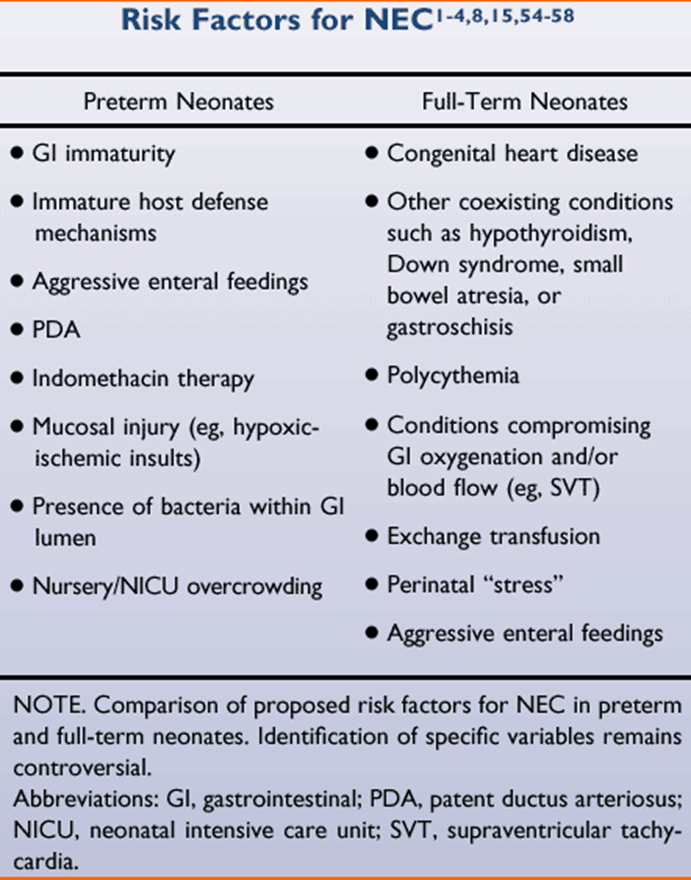
Correct Answer is ["B","C","D","E"]
Explanation
A. Hyperthermia is not typically associated with an increased risk of necrotizing enterocolitis.
B. Low Apgar scores indicate that the baby had difficulty adapting to life outside the womb and may have suffered from hypoxia or acidosis.
C. Preterm birth is a significant risk factor for necrotizing enterocolitis.
D. Respiratory distress syndrome is associated with prematurity and is a risk factor for necrotizing enterocolitis.
E. Exchange transfusion, a procedure often performed in neonates with severe jaundice or anemia, is associated with an increased risk of necrotizing enterocolitis.
F. Hyperglycemia is not typically associated with an increased risk of necrotizing enterocolitis.
Whether you are a student looking to ace your exams or a practicing nurse seeking to enhance your expertise , our nursing education contents will empower you with the confidence and competence to make a difference in the lives of patients and become a respected leader in the healthcare field.
Visit Naxlex, invest in your future and unlock endless possibilities with our unparalleled nursing education contents today