
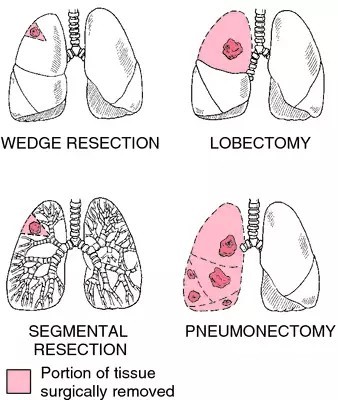
The nurse is providing discharge teaching to a client who underwent a pneumonectomy. The client wants to resume social activities with family. How should the nurse respond?
Encourage family gatherings to reduce feelings of isolation.
Explain the need to avoid persons with respiratory infections.
Reinforce the need to avoid social contact for several weeks.
Recommend the use of a face mask during family events.
The Correct Answer is A
Following a pneumonectomy, it is important for the client to gradually resume normal activities and engage in social interactions. Encouraging family gatherings can provide emotional support, facilitate social connections, and help reduce feelings of isolation that the client may be experiencing.
While it is generally important for clients who have undergone a pneumonectomy to take precautions to reduce the risk of respiratory infections, such as avoiding crowded places and individuals with respiratory infections, completely avoiding social contact for several weeks is not necessary or realistic in most cases. It is essential to find a balance between protecting the client's health and promoting their emotional well-being and social integration.
Wearing a face mask during family events may not be necessary unless there is a specific concern about respiratory infections. The nurse can educate the client about the importance of good hand hygiene and avoiding close contact with individuals who are actively ill with respiratory infections.
Nursing Test Bank
Naxlex Comprehensive Predictor Exams
Related Questions
Correct Answer is A
Explanation
Tracheostomy care is done to keep the trach tube clean and prevent infections.It involves suctioning and cleaning parts of the tube and the skin around the stoma. A code blue is a hospital emergency code that indicates a life-threatening situation, such as cardiac or respiratory arrest.It requires immediate attention from trained personnel.
- Call for an assistant to stay with the client who is receiving tracheostomy care and continue the procedure.
- Respond to the code blue and assist with resuscitation efforts for the other client.
- Return to the client who is receiving tracheostomy care as soon as possible and complete the procedure.
Therefore, the correct answer isa. Call for an assistant.
Correct Answer is D
Explanation
The correct answer is choice d. Explain to the parents that anger is a common response to grief.
Choice A rationale:
Referring the parents to the chaplain for grief counseling can be beneficial, but it may not address the immediate emotional outburst and the need for understanding their feelings.
Choice B rationale:
Telling the parents that blaming each other will not change the situation might be true, but it can come across as dismissive and may not provide the emotional support they need at that moment.
Choice C rationale:
Assuring the parents that a terminal diagnosis is inevitable does not address their current emotional state and may seem insensitive to their grief and anger.
Choice D rationale:
Explaining to the parents that anger is a common response to grief helps them understand their emotions and provides immediate emotional support, making it the best intervention in this situation.
Whether you are a student looking to ace your exams or a practicing nurse seeking to enhance your expertise , our nursing education contents will empower you with the confidence and competence to make a difference in the lives of patients and become a respected leader in the healthcare field.
Visit Naxlex, invest in your future and unlock endless possibilities with our unparalleled nursing education contents today