
The nurse is reviewing the medication record of a patient with asthma and notes the patient is taking inhaled fluticasone (Flovent). The nurse know that inhaled fluticasone (Flovent) is helpful in the treatment of asthma in what way?
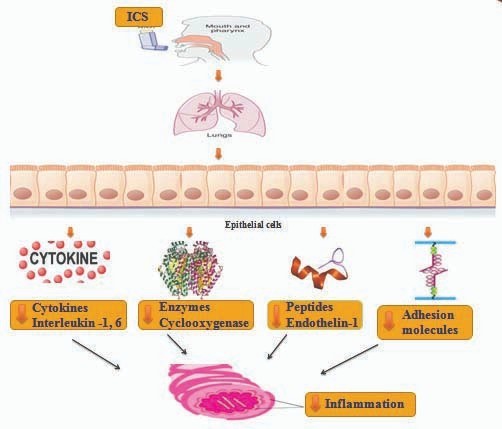
Reduces inflammation in the airway.
Relieves symptoms of an acute asthma attack
Causes an immediate bronchodilation,
Reduces the blood pressure and heart rate.
The Correct Answer is A
Inhaled fluticasone (Flovent) is a corticosteroid medication that is commonly used in the treatment of asthma. It works by reducing inflammation in the airway, which is a key component of asthma. By decreasing inflammation, it helps to prevent and control asthma symptoms, such as wheezing, coughing, and shortness of breath.
The other options mentioned are incorrect:
B. Relieves symptoms of an acute asthma attack: Inhaled fluticasone is not intended for immediate relief during an acute asthma attack. It is a long-term control medication used to manage and prevent asthma symptoms.
C. Causes immediate bronchodilation: Fluticasone does not cause immediate bronchodilation, which refers to the widening of the airways to improve breathing. Bronchodilation is typically achieved with short-acting beta-agonist medications, such as albuterol.
D. Reduces blood pressure and heart rate: Fluticasone is not known to have a direct effect on blood pressure or heart rate. Its primary action is to reduce inflammation in the airway for the management of asthma.
Nursing Test Bank
Naxlex Comprehensive Predictor Exams
Related Questions
Correct Answer is C
Explanation
A medication error refers to any preventable event that may cause or lead to inappropriate medication use or patient harm. In this case, the nurse administering a double dose of medication due to a failure to cut the pill in half is a medication error. It involves the administration of an incorrect dose, which can potentially result in harm or adverse effects for the patient.
The other situations mentioned do not necessarily indicate medication errors. A patient developing hives after starting an IV antibiotic could have an allergic reaction, and appropriate actions should be taken to address the reaction. A patient complaining of severe pain still present after receiving pain medication may require further assessment and intervention to manage their pain effectively. A patient refusing her morning medication is not a medication error but rather a patient's right to refuse treatment, and appropriate documentation and communication should be done in such situations.
Correct Answer is ["B","D"]
Explanation
The nurse should include the following information in the teaching about medication reconciliation:
● Provide a list of the client's current medications during admission to a healthcare facility.
● Provide a list of the client's current medications during the change of shift report.
Medication reconciliation is a critical process that involves comparing the medications a patient is currently taking with the medications ordered or intended to be prescribed. It helps ensure accurate and safe medication management during transitions of care. The nurse should emphasize the importance of providing a list of the client's current medications during admission to a healthcare facility. This information helps establish a baseline for the patient's medication regimen and allows healthcare providers to verify and reconcile the medications accurately.
Additionally, the nurse should instruct the class to provide a list of the client's current medications during the change of shift report. This allows for effective communication between healthcare providers, ensuring continuity of care and preventing medication errors or omissions.
While not specifically mentioned in the options, it is important to note that medication reconciliation should be performed at various points, including during the discharge process from a healthcare facility. Discharge medication reconciliation helps ensure a smooth transition to home or another healthcare setting, reduces the risk of medication-related issues, and promotes patient safety and adherence to the prescribed medication regimen.
Regarding over-the-counter medications, it is crucial to include them in the medication reconciliation process. Over-the-counter medications can interact with prescription medications and have potential side effects. Including them in the reconciliation report helps identify any potential interactions or duplications and ensures comprehensive medication management.
Whether you are a student looking to ace your exams or a practicing nurse seeking to enhance your expertise , our nursing education contents will empower you with the confidence and competence to make a difference in the lives of patients and become a respected leader in the healthcare field.
Visit Naxlex, invest in your future and unlock endless possibilities with our unparalleled nursing education contents today