
The practical nurse (PN) and unlicensed assistive personnel (UAP) enter a client's room and find the client lying on the bed. The PN determines that the client is unresponsive. Which instruction should the PN give the UAP first?
Obtain emergency help.
Feel for a carotid pulse.
Bring a glucometer to the room.
Check the blood pressure.
The Correct Answer is A
A. Obtain emergency help. - This is the most urgent action as the client is unresponsive, and getting emergency assistance is crucial to providing immediate care.
B. Feel for a carotid pulse. - While assessing the pulse is important, if the client is unresponsive, the first step is to get emergency assistance.
C. Bring a glucometer to the room. - This action might be relevant for assessing specific conditions, but in this scenario, the priority is to seek immediate emergency assistance.
D. Check the blood pressure. - Assessing blood pressure is important, but in the case of an unresponsive client, seeking emergency help takes precedence for immediate assistance and care.
Nursing Test Bank
Naxlex Comprehensive Predictor Exams
Related Questions
Correct Answer is ["A","C","D"]
Explanation
The PN should palpate the rate and volume of the pulse, measure body weight at the same time daily, and observe the color and amount of urine when assessing a client for signs and symptoms of fluid volume excess. These actions can help detect changes in the cardiovascular, renal, and fluid balance systems that may indicate fluid overloads, such as tachycardia, bounding pulse, weight gain, edema, oliguria, or dark urine.
The other options are not correct because:
B. Checking fingernails for the presence of clubbing is not relevant for assessing fluid volume excess, as clubbing is a sign of chronic hypoxia or lung disease that causes enlargement of the fingertips and nails.
E. Comparing muscle strength of both arms is not relevant for assessing fluid volume excess, as muscle weakness is not a specific sign of fluid overload, but may be caused by various factors such as electrolyte imbalance, nerve damage, or fatigue.
Correct Answer is A
Explanation
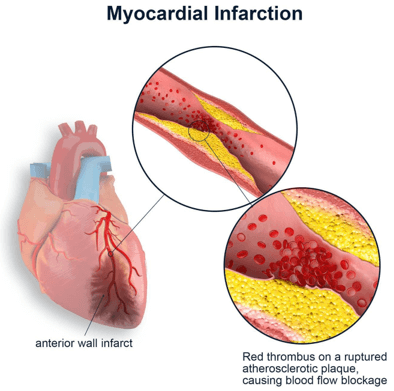
Troponin I and CK-MB are cardiac enzymes that are released into the bloodstream when the heart muscle is injured or necrotic. Elevated levels of these enzymes indicate that the client has suffered a myocardial infarction (MI) or heart atack. The damaged heart tissue can impair the electrical conduction system of the heart and cause abnormal heart rhythms or dysrhythmias, which can be life-threatening. The PN should monitor the client's cardiac status closely and report any changes to the charge nurse.
The other options are not correct because:
- The client is not at risk for pulmonary embolism, which is a blockage of a pulmonary artery by a blood clot or other material. Pulmonary embolism does not cause elevated cardiac enzymes, but it can cause chest pain, shortness of breath, and hypoxia.
- The client is not at risk for recurrent long-term angina pain, which is chest pain caused by reduced blood flow to the heart muscle due to narrowed or blocked coronary arteries. Angina pain does not cause elevated cardiac enzymes, but it can be a warning sign of an impending MI.
- The lab results do not indicate risk factors for transient ischemic atack (TIA), which is a temporary interruption of blood flow to a part of the brain due to a clot or plaque. TIA does not cause elevated cardiac enzymes, but it can cause neurological symptoms such as weakness, numbness, or speech difficulties.
Whether you are a student looking to ace your exams or a practicing nurse seeking to enhance your expertise , our nursing education contents will empower you with the confidence and competence to make a difference in the lives of patients and become a respected leader in the healthcare field.
Visit Naxlex, invest in your future and unlock endless possibilities with our unparalleled nursing education contents today