
The practical nurse (PN) is caring for a client whose urine drug screen is positive for cocaine. Which behavior is this client likely to exhibit during cocaine withdrawal?
Elevated energy level.
High self-esteem.
Euphoria.
Powerful craving for more.
The Correct Answer is D
The correct answer is Choice d. Powerful craving for more.
Rationale:
Cocaine withdrawal symptoms are primarily psychological and emotional, rather than physical. While some physical symptoms may occur, such as fatigue and muscle aches, the most prominent and concerning aspects of withdrawal are intense cravings for the drug.
Here's a breakdown of the other choices and why they are not as likely:
- Choice a. Elevated energy level: Cocaine is a stimulant, so during withdrawal, a person is more likely to experience decreased energy and fatigue.
- Choice b. High self-esteem: Cocaine use can initially boost self-esteem, but withdrawal often leads to feelings of depression, anxiety, and worthlessness.
- Choice c. Euphoria: Euphoria is one of the main effects of cocaine use, but during withdrawal, the opposite occurs, with individuals experiencing dysphoria, a state of intense negative emotions.
Therefore, the intense craving for more cocaine is the most characteristic behavioral symptom exhibited during cocaine withdrawal. This craving is driven by the brain's adaptation to the drug's presence and the disruption of dopamine and other neurotransmitter systems caused by withdrawal.
Additional Notes:
- The intensity of cocaine withdrawal symptoms can vary depending on several factors, including the severity and duration of cocaine use, individual differences in brain chemistry and genetics, and the presence of co-occurring mental health conditions.
- Seeking professional help for cocaine withdrawal is crucial to manage cravings and other symptoms effectively and increase the chances of successful recovery.
Nursing Test Bank
Naxlex Comprehensive Predictor Exams
Related Questions
Correct Answer is A
Explanation
A thready pulse is a weak and rapid pulse that is easily obliterated by light pressure. It indicates poor blood flow and perfusion and may be caused by conditions such as shock, dehydration, or hemorrhage.
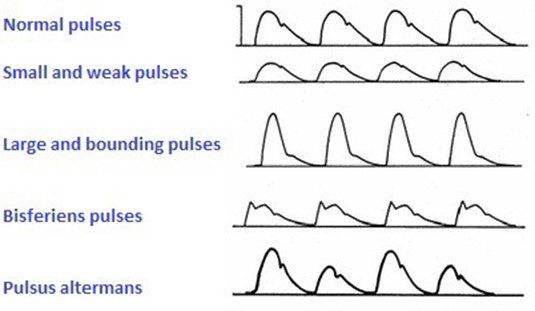
The other options are not correct because:
B. A missing pulse is a pulse that is absent or cannot be detected, even with firm pressure. It indicates a complete blockage of blood flow, and may be caused by conditions such as arterial occlusion, embolism, or trauma.
C. Light pressure applied to pulse is not a documentation of the pulse quality, but a description of the technique used to palpate the pulse.
D. Pulse skips beats is a documentation of an irregular pulse rhythm, not a pulse volume. It indicates that the heart beats are unevenly spaced, and may be caused by conditions such as arrhythmia, stress, or caffeine intake.
Correct Answer is ["0.75"]
Explanation
To calculate the amount of mL to administer, the PN should use the following formula:
mL = (mcg x 1 mg/1000 mcg) / (mg/mL)
Plugging in the given values, we get:
mL = (150 x 1/1000) / (0.2)
mL = 0.15 / 0.2
mL = 0.75
Therefore, the PN should administer 0.75 mL of octreotide subcutaneously.
Whether you are a student looking to ace your exams or a practicing nurse seeking to enhance your expertise , our nursing education contents will empower you with the confidence and competence to make a difference in the lives of patients and become a respected leader in the healthcare field.
Visit Naxlex, invest in your future and unlock endless possibilities with our unparalleled nursing education contents today